Surviving a Toxic Workplace and Planning Your Exit Strategy
A comprehensive 1000+ word survival guide for navigating a toxic workplace. Learn how to protect your mental health, document abuses, and execute a stealthy, successful exit strategy.

Apply this guide immediately with RESUGROW tools
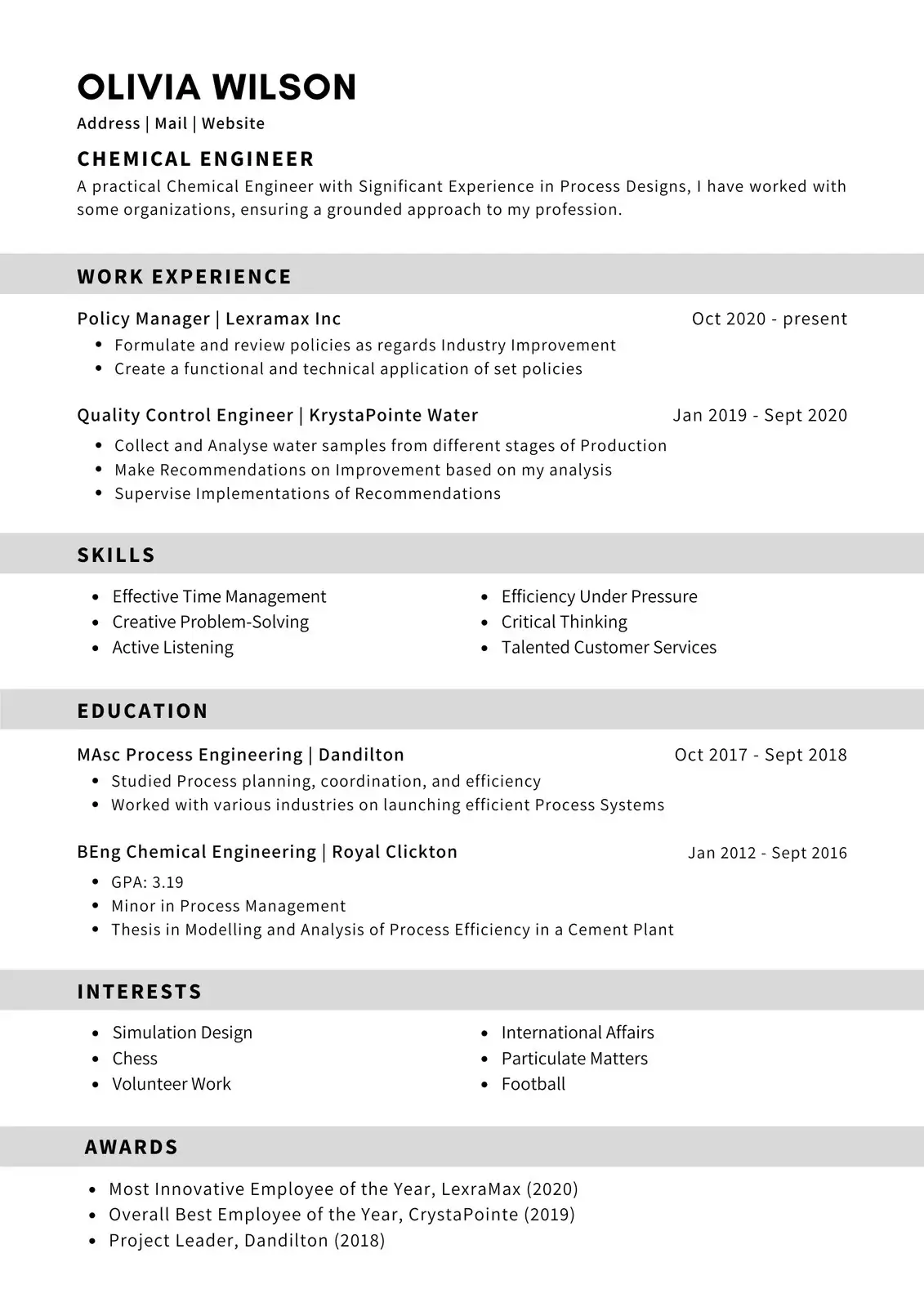
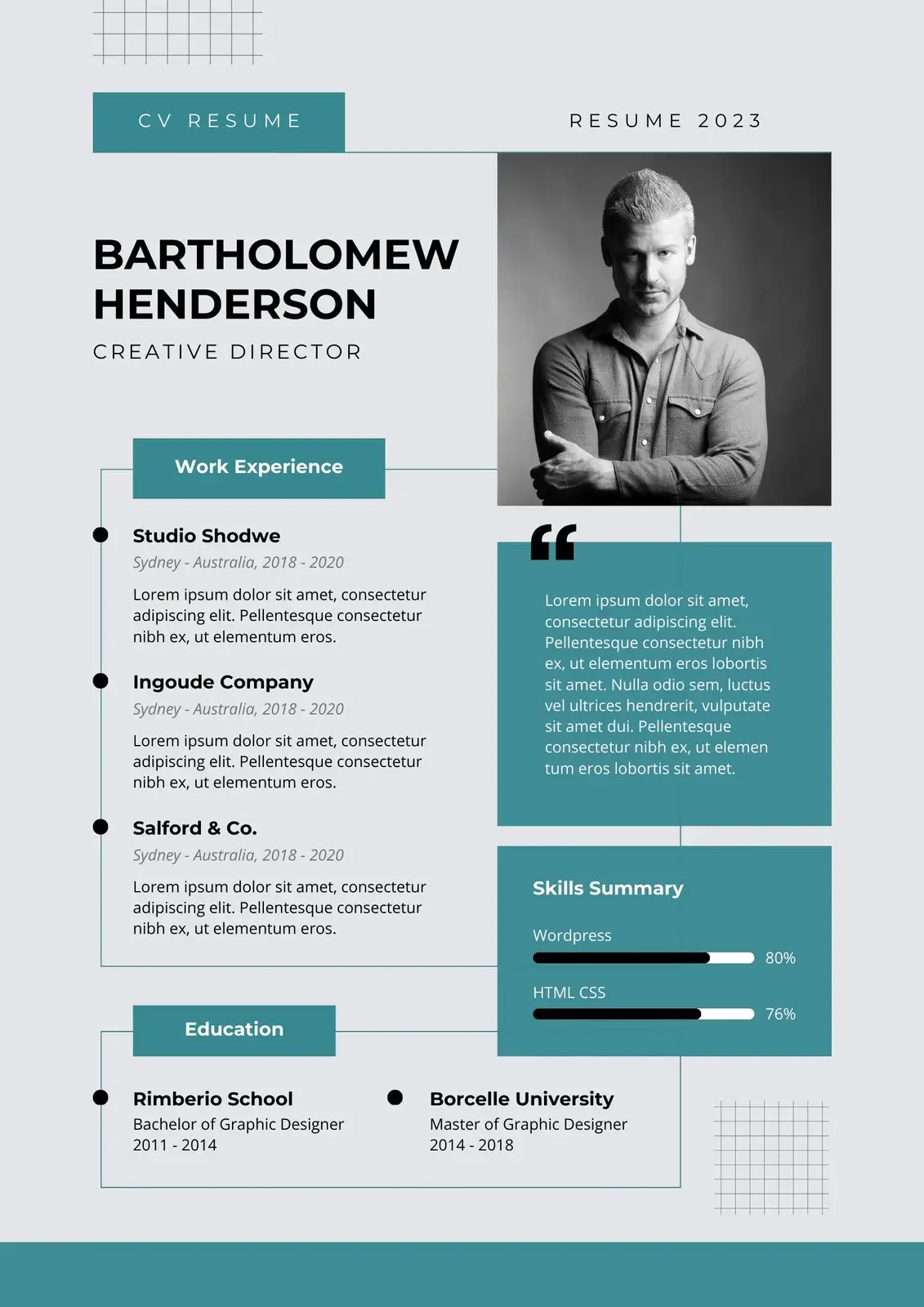
The term "toxic workplace" is often overused to describe a job that is simply boring or demanding. But true workplace toxicity is something entirely different. It is systemic, psychological warfare. It is characterized by gaslighting, rampant micromanagement, shifting goalposts, credit-stealing, and a culture of fear that follows you home long after you log off.
Prolonged exposure to a genuinely toxic work environment does not just stall your career; it actively damages your physical and mental health. It erodes your confidence, leaving you feeling trapped and believing you are incapable of finding anything better.
This comprehensive, 1000+ word guide is not about how to "fix" a toxic company—you cannot fix a broken culture from the bottom up. This guide is about damage control. It outlines the exact psychological protocols to protect yourself while you execute a strategic, stealthy exit plan.
Section 1: Identifying the Core Vectors of Toxicity
Before you can defend yourself, you must correctly identify the type of toxicity you are dealing with. Toxicity usually manifests in three distinct vectors:
1. The Narcissistic Manager: This is a boss who claims credit for your successes and violently scapegoats you for their failures. They use information as a weapon, intentionally keeping you out of the loop so you fail, and then reprimanding you for your lack of intuition. 2. The Culture of Burnout: A company that glorifies "hustle" to a pathological degree. Working weekends is expected, boundaries are viewed as a lack of commitment, and taking PTO is punished with passive-aggressive retaliation. 3. The High-Paranoia Environment: An environment devoid of psychological safety. Gossip is the primary currency. Everyone is constantly covering their tracks, copying their manager's manager on emails, and prioritizing office politics over actual output.
Recognizing the specific vector helps you understand that the chaos is systemic, not a reflection of your professional worth.
Section 2: The Defensive Protocol (Protecting Your Sanity)
When you realize you are in a toxic environment, your immediate priority shifts from "career advancement" to "psychological preservation." You must deploy defensive protocols to survive the day-to-day while you plan your escape.
### 1. Emotional Detachment and "Quiet Quitting" In a healthy environment, emotional investment in your work is a virtue. In a toxic environment, it is a liability. You must radically detach your self-worth from the company's metrics or your manager's approval. Practice the art of "Quiet Quitting" (working exactly to your wage). Fulfill the literal requirements of your job description and nothing more. Do not volunteer for extra projects. Do not try to "save" the failing project. Conserve 100% of your excess energy for your job search.
### 2. The "Paper Trail" Defense Toxic managers rely on gaslighting ("I never told you to do that" or "I told you the deadline was yesterday"). You must remove all verbal ambiguity from your working life. After every single phone call or Zoom meeting with a toxic manager, send a summary email: *"Hi [Name], per our conversation just now, I will proceed with Option A, and you will secure the budget approval by Friday. Let me know if I misunderstood anything. Best."* If they try to rewrite history later, you have the timestamped receipt. BCC your personal email address on critical CYA (Cover Your Assets) communications if you suspect imminent retaliation.
### 3. Establish Hard Boundaries Toxic cultures survive by bleeding into your personal life. You must rebuild the wall. Turn off Slack notifications on your phone after 5:00 PM. Do not check your email on Saturday. If questioned, use neutral, boundary-setting language: *"I am fully offline during the weekends to recharge so I can bring my best focus to the team on Monday morning. I will address this first thing tomorrow."*
Section 3: Rebuilding Your Shattered Confidence
The most insidious effect of a toxic job is that it convinces you that you are incompetent. When your confidence is shattered, the thought of interviewing elsewhere feels impossible.
To counteract this, you must build a "Reality Anchor" outside of the company. * Reconnect with Past Colleagues: Have coffee with a former manager or coworker from a previous, healthy job. Ask them to remind you of your strengths. You need external validation that your current environment is the problem, not you. * Audit Your Achievements: Open a blank document and write down the objective metrics you have achieved, completely stripping away the toxic context. The numbers do not lie, even if your manager does.
Section 4: The Stealth Exit Strategy
You must plan your escape with the precision of a military operation. Do not tell anyone at the company that you are looking to leave—toxic environments are notoriously leaky, and word will get back to management.
### Phase 1: The Administrative Cleanup Before you actively start interviewing, secure your data. Update your resume, move any personal files off your work laptop, and gather any non-confidential portfolio materials you might need. Once you give notice (or if they suspect you are leaving), you may be locked out of the system immediately.
### Phase 2: The Targeted Job Search Do not "rage apply" to 500 random jobs on LinkedIn at 2 AM. Desperation will lead you straight into another toxic company. Treat your job search as a highly targeted, 10-hour-a-week side hustle. Focus on networking, reaching out to recruiters on platforms like Wellfound or LinkedIn, and prioritizing companies with documented, healthy cultures.
### Phase 3: The Interview Reframe When interviewing, you will be asked, "Why are you looking to leave your current role?" Never badmouth the toxic company. Even if everything you say is true, complaining makes you look like a difficult employee to the interviewer. The Pivot Script: *"I’ve learned a tremendous amount about [Skill] during my time at [Toxic Company], but the organization is currently focusing on [Different Direction]. I am looking for an environment that places a higher priority on [What the New Company Does], which is why I was so excited to see this opening."*
Section 5: The Resignation and Aftermath
When you finally secure the written offer and pass the background check, it is time to resign. Keep it ruthlessly professional and brief. Do not use the exit interview to air grievances or try to enact change. HR exists to protect the company from liability, not to avenge you.
The Resignation Script: *"Thank you for the opportunity to work here. My last day will be [Date]. I will spend the next two weeks documenting my processes to ensure a smooth transition."*
Once you leave, give yourself a grace period. It takes time for your nervous system to decompress from a state of constant hyper-vigilance. Healing from a toxic workplace is a process, but walking out the door is the first, most critical step toward reclaiming your professional life.
Ready to improve your score?


