The Return of the Cover Letter: Why Human Context Beats AI-Generated Resumes
As the market floods with AI-generated, perfectly optimized resumes, recruiters are reverting to cover letters to find authentic human signals and distinct narrative context.

Apply this guide immediately with RESUGROW tools
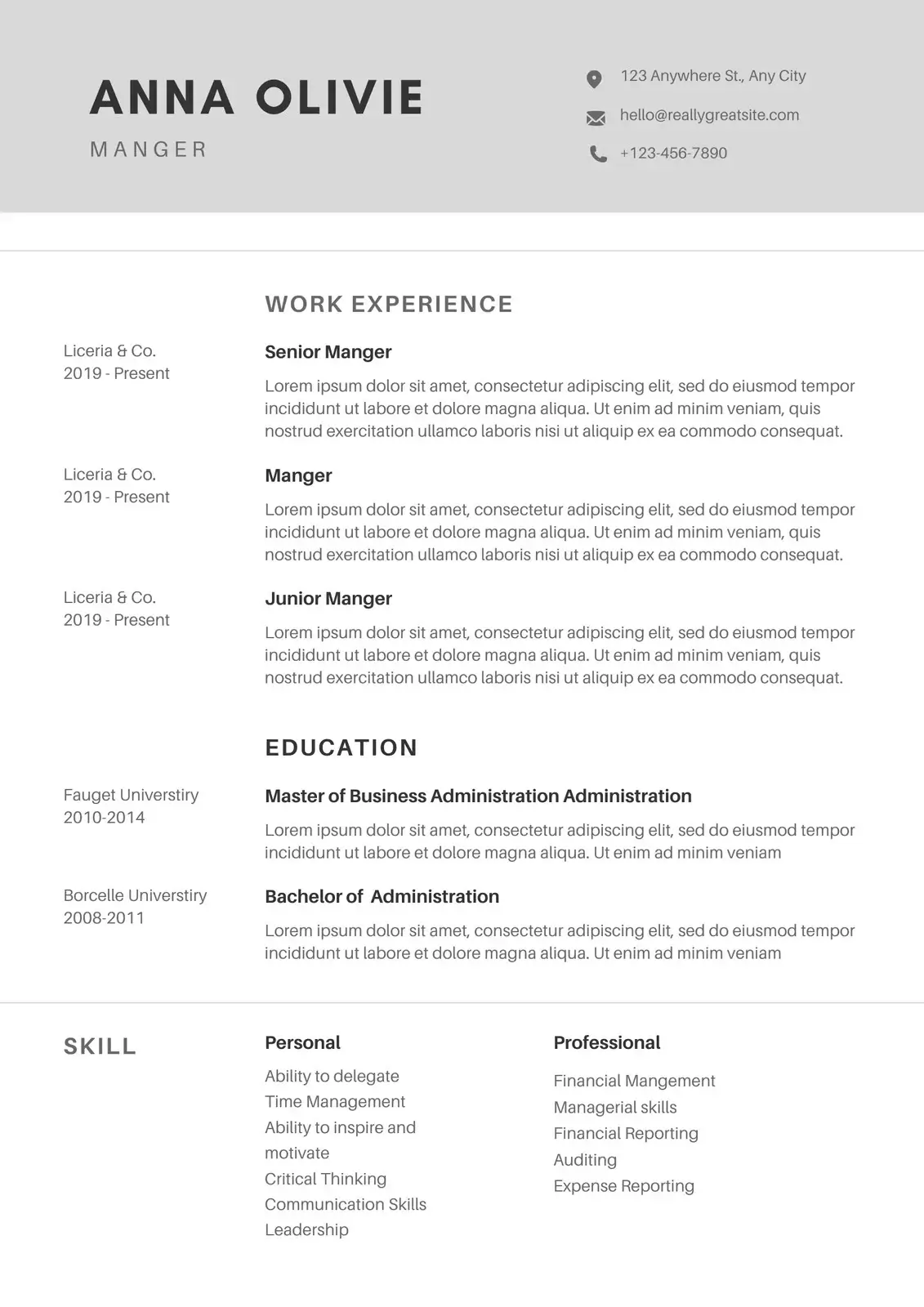
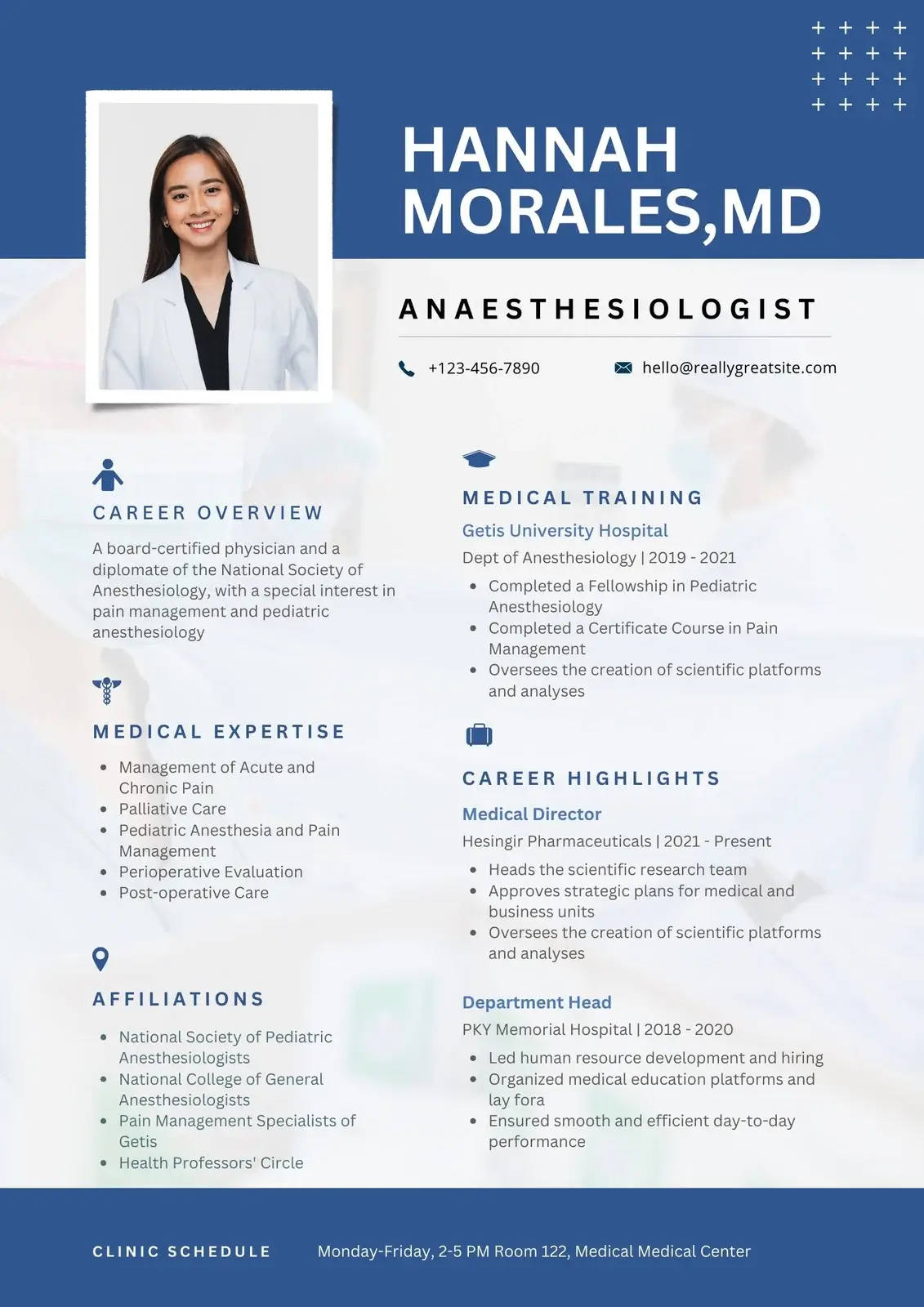
For the last five years, career advisors told you the cover letter was dead. In 2026, it is experiencing a massive resurgence. Why? Because generative AI broke the resume.
When every applicant uses AI to generate flawless, keyword-stuffed, perfectly formatted bullet points, the resume loses its power as a differentiator. Recruiters are drowning in a sea of homogenous perfection.
The Authenticity Premium
Hiring managers are now using the cover letter as a proxy for genuine interest and human authenticity. They are looking for the "messy" context that a standard resume bullet cannot provide.
An AI resume says: "Optimized supply chain logistics, reducing overhead by 14%." A human cover letter says: "When the global shipping disruptions hit last Q3, our team had 48 hours to reroute six million dollars of inventory. I led the vendor renegotiation that ultimately saved us 14% in expedited freight costs."
How to Write a Modern Cover Letter
1. Ban the Generic AI Tone If your cover letter starts with "In today's fast-paced digital landscape...", a recruiter will immediately discard it. Write like you speak. Use your actual voice.
2. Focus on the 'Why', Not the 'What' Your resume tells them what you did. Your cover letter must tell them why you did it, how you approach problems, and why you are specifically interested in their company's current challenges.
3. The 200-Word Rule Keep it brief. Three paragraphs. A hook that shows you understand their business, a narrative paragraph highlighting your most relevant problem-solving experience, and a concise closing.
In an age of automated applying, doing the unscalable work of writing a genuine, human letter is your biggest competitive advantage.
Ready to improve your score?


