The Ultimate Guide to Returning to Work After a Long Gap
A comprehensive 1000+ word playbook for re-entering the workforce after a multi-year gap for caregiving, health issues, or sabbaticals. Learn how to format your resume and ace the interview.

Apply this guide immediately with RESUGROW tools
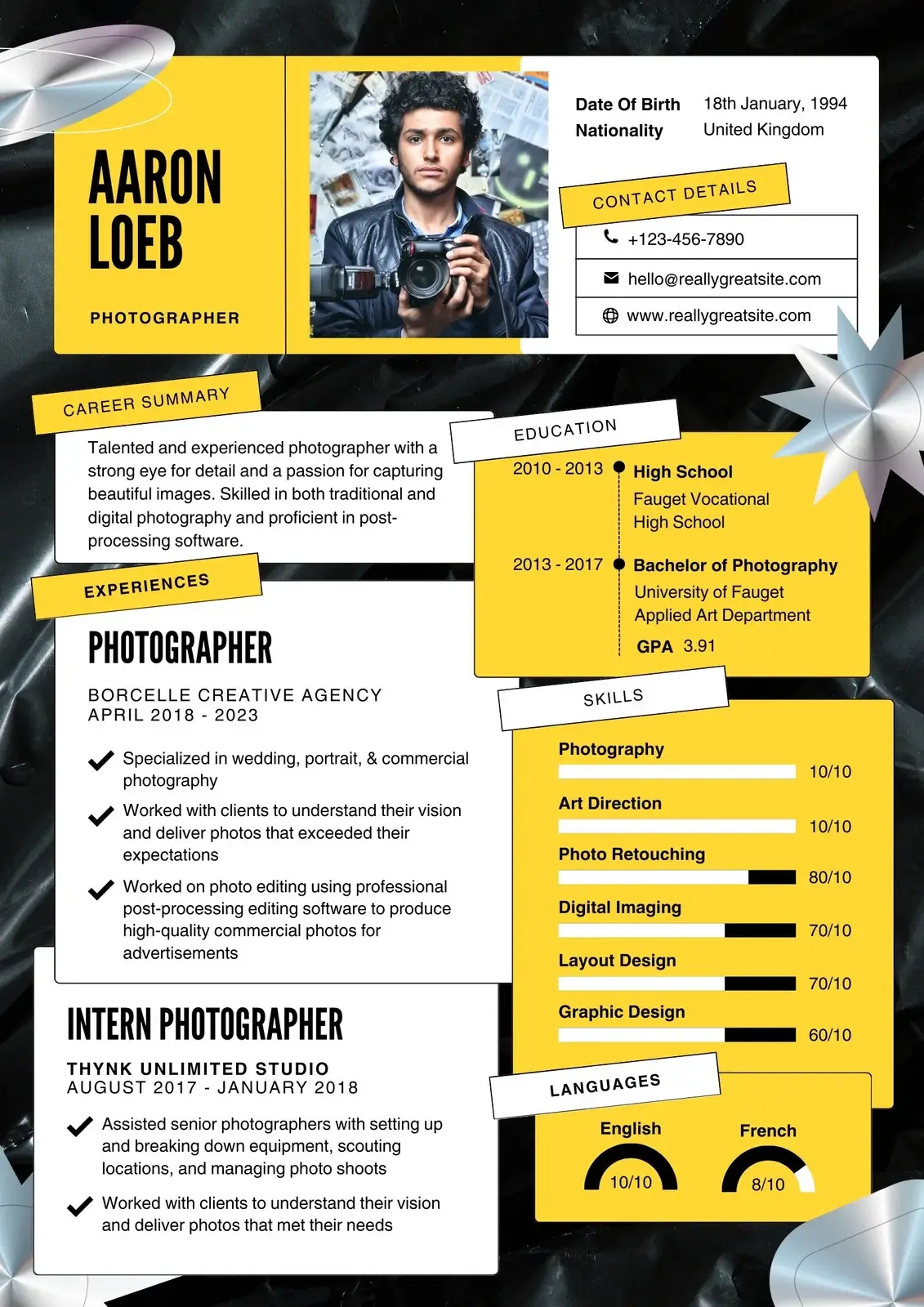
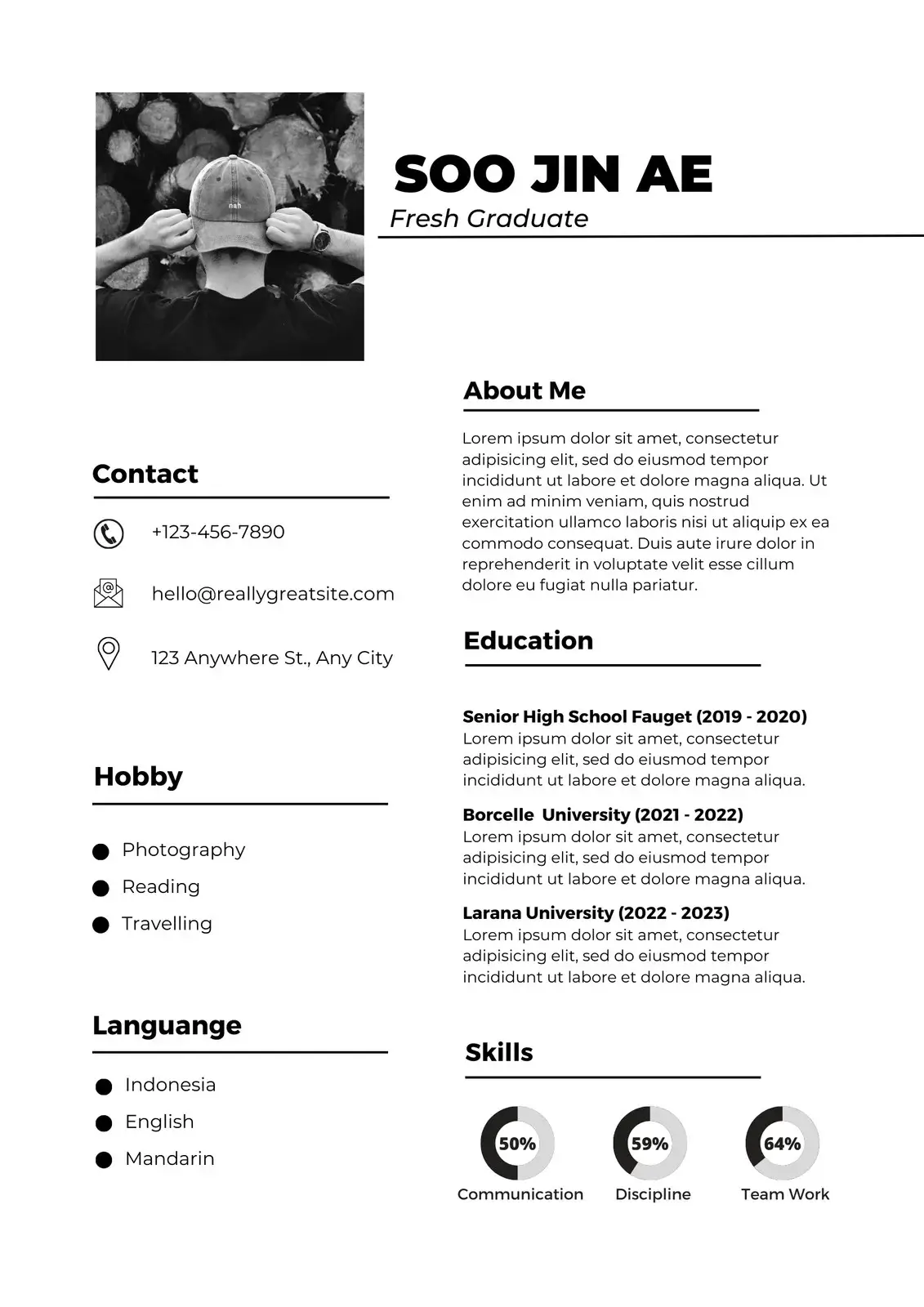
Taking a prolonged break from the traditional workforce—whether to raise children, care for an aging parent, recover from an illness, or take a much-needed sabbatical—is a deeply human experience. Yet, when it comes time to re-enter the corporate arena, that gap is often treated by recruiters as a glaring red flag.
In 2026, the stigma around career gaps is slowly diminishing, largely due to the massive workforce disruptions of the early 2020s. However, automated Applicant Tracking Systems (ATS) and biased hiring managers can still create significant friction for "returners."
If you attempt to hide the gap, apologize for it, or leave it entirely unexplained on your resume, you will face endless rejections. This comprehensive, 1000+ word guide will teach you how to own your career gap, strategically update your professional narrative, and re-enter the workforce with confidence and leverage.
Section 1: The Psychology of the "Returner"
The greatest barrier to returning to work is rarely your skill set; it is your psychology. After two, five, or ten years away from a corporate environment, a massive crisis of confidence is entirely normal. You may feel like technology has completely bypassed you, or that your previous achievements are no longer relevant.
You must internalize this truth: A career gap pauses your chronological employment, but it does not erase your baseline competence. The critical thinking, emotional intelligence, and complex problem-solving skills you developed earlier in your career have not vanished. In fact, managing a household, navigating a medical crisis, or organizing a sabbatical requires immense executive function, negotiation, and logistics management.
Your first task is to stop viewing yourself as a "broken" candidate who needs a favor, and start viewing yourself as a seasoned professional who simply took a strategic pause.
Section 2: Addressing the Gap on Your Resume
The golden rule of resume writing for returners is: Never leave a gap unexplained. If a recruiter sees a blank space from 2022 to 2026, their imagination will invent the worst-case scenario. You must control the narrative by explicitly stating what you were doing.
### The "Career Pause" Entry Create a standard job entry for your gap on your resume. Treat it with the same formatting respect you would give to a corporate role.
Example 1: Caregiving > Career Sabbatical — Full-Time Caregiver > *Jan 2022 – Present* > Took a planned career pause to act as the primary caregiver for a family member. Handled complex medical logistics, managed household budgets, and coordinated multi-party schedules. Currently ready to re-enter the workforce full-time.
Example 2: Personal Sabbatical / Travel > Planned Sabbatical — Independent Travel > *Mar 2024 – Feb 2026* > Executed a multi-year independent travel plan across Southeast Asia. Managed complex international logistics, navigated deep cultural ambiguity, and cultivated a global perspective.
By defining the gap, you remove the mystery. You signal to the recruiter that you are organized, deliberate, and not ashamed of your life choices.
### The Functional/Hybrid Resume Strategy If your gap is longer than 5 years, the standard reverse-chronological resume might push your best professional experience onto page two. Instead, use a "Hybrid" resume format. Place a massive "Core Competencies and Career Highlights" section at the very top. Group your best achievements by skill (e.g., "Project Management," "Financial Analysis") regardless of when they happened. Place your chronological work history (including the gap) briefly at the bottom.
Section 3: Bridging the Technical Divide
The most valid concern a hiring manager has about a returner is whether their technical skills have atrophied. If you left marketing in 2020 and are returning in 2026, the entire landscape of AI, SEO, and social platforms has fundamentally changed.
You must proactively eliminate this risk before you apply.
1. The 30-Day Upskill Sprint: Identify the top three software tools currently dominating your industry. Spend 30 days aggressively studying them via Coursera, LinkedIn Learning, or YouTube. You do not need to become a master; you just need to learn the vocabulary and the basic interface so you can talk about it intelligently in an interview.
2. The Pro Bono / Freelance Bridge Project: A 5-year gap looks significantly less intimidating if it ends with a recent, 3-month freelance project. Reach out to a local non-profit or a friend's small business. Offer to do one specific, high-impact project for free or at a highly discounted rate. * "I will audit and rebuild your accounting spreadsheets." * "I will redesign your weekly email newsletter."
This gives you a fresh, current 2026 entry for the top of your resume, proving that you are fully capable of executing in the modern environment.
Section 4: The Side-Door Networking Approach
When you have a non-traditional resume, applying through the standard online portals is a steep uphill battle. ATS algorithms are notoriously unkind to career gaps. You must rely heavily on networking to bypass the algorithms and get your story in front of a human.
The "Reconnection" Campaign: Start with your warm network. Go through your LinkedIn connections and find colleagues you worked closely with *before* your gap.
The Outreach Script: *"Hi [Name], I hope you've been doing well! It looks like you're crushing it over at [Company]. I’m currently transitioning back into the workforce full-time after a planned hiatus to [brief reason, e.g., raise my kids/manage a family transition]. I am focusing on returning to [Specific Role] roles. I’m currently updating my knowledge on the market—would you be open to a quick 15-minute virtual coffee next week? I'd love to hear your perspective on how the industry has shifted over the last few years."*
Your former colleagues remember your competence. They do not care about the gap. They are your strongest advocates.
Section 5: Acing the Interview Narrative
When you secure the interview, you must address the gap head-on during the "Tell me about yourself" phase. Do not wait for them to awkwardly ask about it.
The Re-Entry Script: *"For the first eight years of my career, I built a strong foundation in [Industry], focusing heavily on [Key Skill]. In 2022, I made the deliberate decision to step away from the corporate world to [Reason for Gap]. It was an incredibly rewarding period that taught me a lot about [Soft Skill, e.g., patience/crisis management]. However, I am now fully ready and eager to return to my professional career. Over the last three months, I’ve been refreshing my technical skills by completing [Course/Project], and I’m incredibly excited about the possibility of bringing my background in [Skill] to your team."*
Notice the structure: 1. Establish your strong past competence. 2. State the gap confidently and briefly, without over-explaining or apologizing. 3. Pivot aggressively to the present, highlighting your recent upskilling. 4. Focus the conversation entirely on the future and the value you bring to them.
Conclusion: The Premium of Renewed Energy
Many candidates currently in the workforce are deeply burned out. They are going through the motions. As a returner, your greatest hidden asset is your renewed enthusiasm.
You are returning because you *want* to be there. You are bringing fresh energy, a mature perspective, and a deep appreciation for professional engagement. When you combine that enthusiasm with a modernized resume, targeted upskilling, and a confident narrative, you transform your career gap from a liability into a unique demonstration of your character and resilience. Welcome back.
Ready to improve your score?


