How to Write a Resume Summary That Gets Noticed in Under 10 Seconds
Recruiters spend an average of 7.4 seconds on a first resume scan. Your summary is the only section guaranteed to be read. Here's how to make it count.

Apply this guide immediately with RESUGROW tools
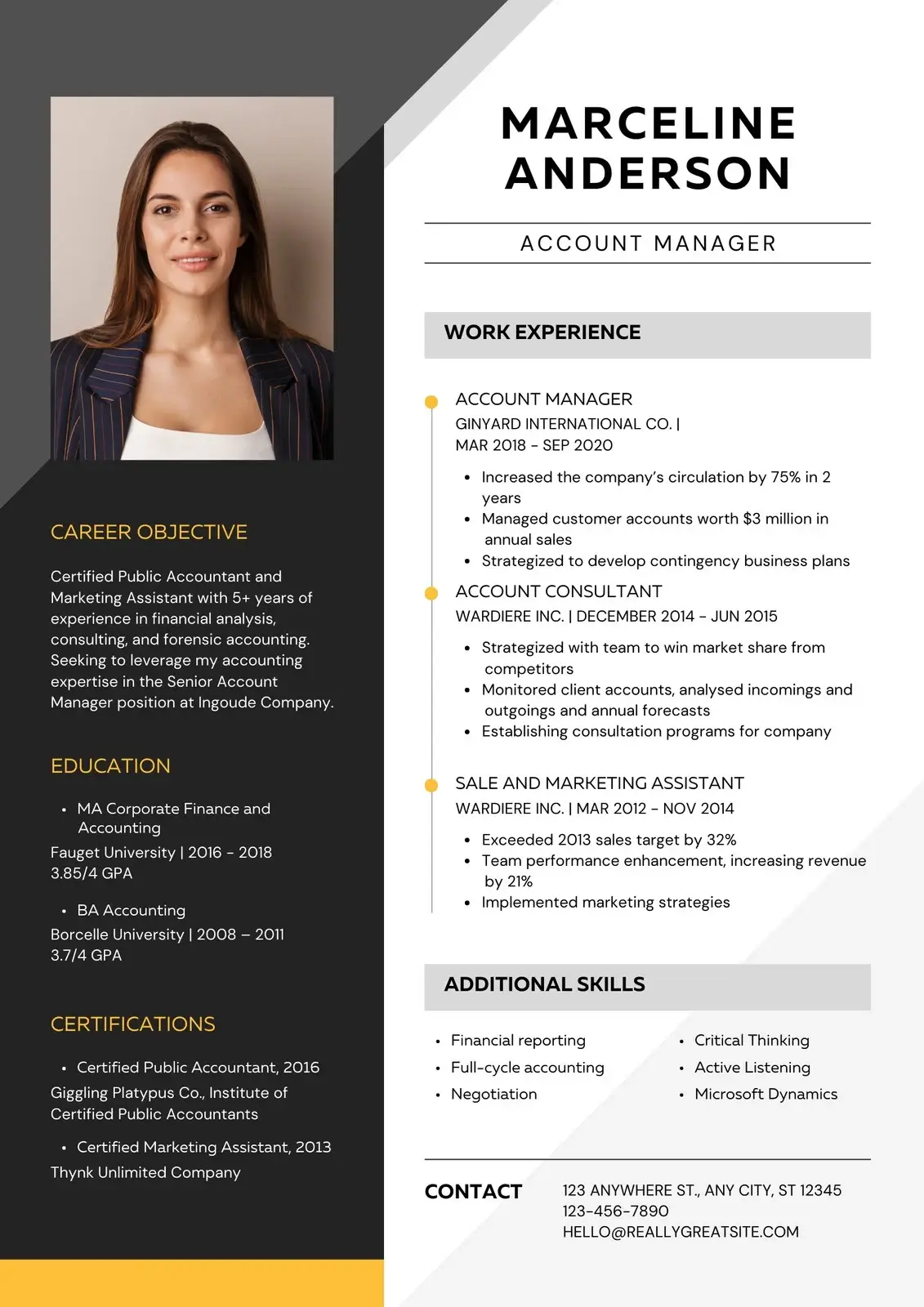
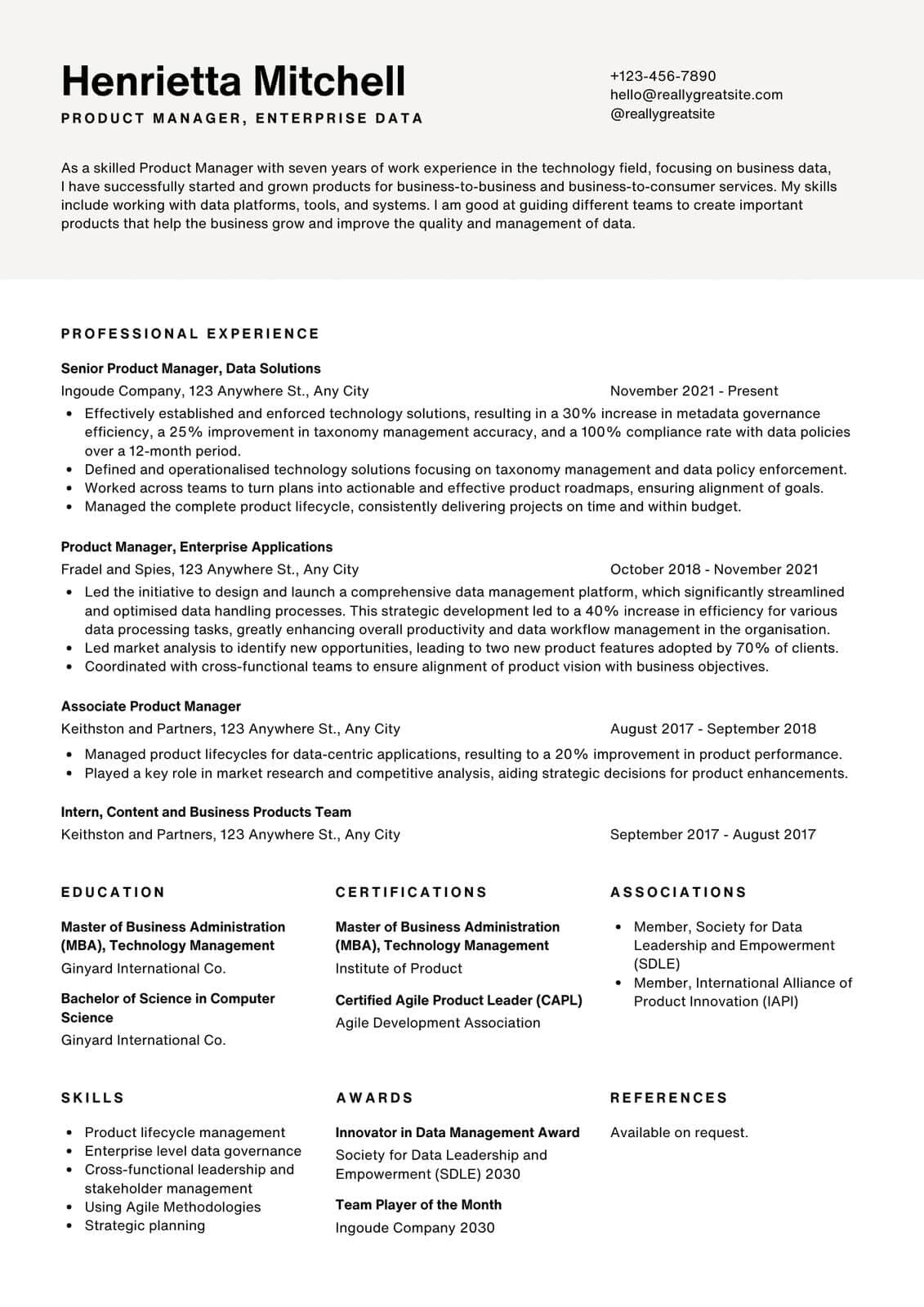
Recruiters spend an average of 7.4 seconds on a first resume scan. In that window, they're looking at your name, your current title, and your summary. Everything else is secondary.
Your summary is the only section you can guarantee will be read. So why do most people write something like this:
"Motivated professional with strong communication skills and a passion for excellence seeking a challenging role where I can contribute to a dynamic team."
That sentence says nothing. It could describe anyone. It will be skipped.
The Formula That Works
A strong resume summary has three components, delivered in 3–5 sentences:
1. Who you are (title + years of experience) Start with your professional identity. Be specific. "Senior Product Manager with 8 years of experience in B2B SaaS" is infinitely better than "experienced professional."
2. What you're known for (your top 2–3 strengths) Pick the skills or capabilities most relevant to the role you're targeting. These should mirror language from the job description.
3. What you've delivered (one quantified proof point) One number changes everything. "Grew ARR from $2M to $11M over 3 years" or "Reduced customer churn by 22% through proactive success programs" — these are the lines that make recruiters slow down.
A Before and After
Before: "Results-driven marketing professional with experience in digital campaigns and team leadership looking for a growth-oriented role."
After: "Digital Marketing Manager with 6 years of experience scaling paid acquisition for e-commerce brands. Specialize in performance marketing, conversion rate optimization, and cross-channel attribution. Most recently drove a 3.4x ROAS improvement for a $4M annual ad budget at a Series B startup."
The second version takes 15 seconds to read and tells a recruiter exactly who you are, what you're good at, and what you've proven.
Common Mistakes to Avoid
Writing in third person. Your summary is not a bio. Don't say "John is a results-driven..." — just write it directly.
Using clichés. "Team player," "detail-oriented," "passionate" — these are filler. Replace them with specifics.
Making it too long. Five sentences maximum. If you can't summarize yourself in five sentences, you haven't thought hard enough about what matters most.
Forgetting to tailor it. Your summary should shift slightly for every application. The core stays the same, but the emphasis should match the role.
The Tailoring Trick
Keep a "master summary" that's 6–7 sentences. For each application, pick the 3–4 sentences most relevant to that specific role. This takes 3 minutes and meaningfully improves your match rate.
Your summary is your pitch. Treat it like one.
Ready to improve your score?


