How to Optimize Your Resume for Remote and Global Roles
Hiring for remote roles is completely different than local hiring. Learn how to highlight asynchronous communication and self-directed execution.

Apply this guide immediately with RESUGROW tools
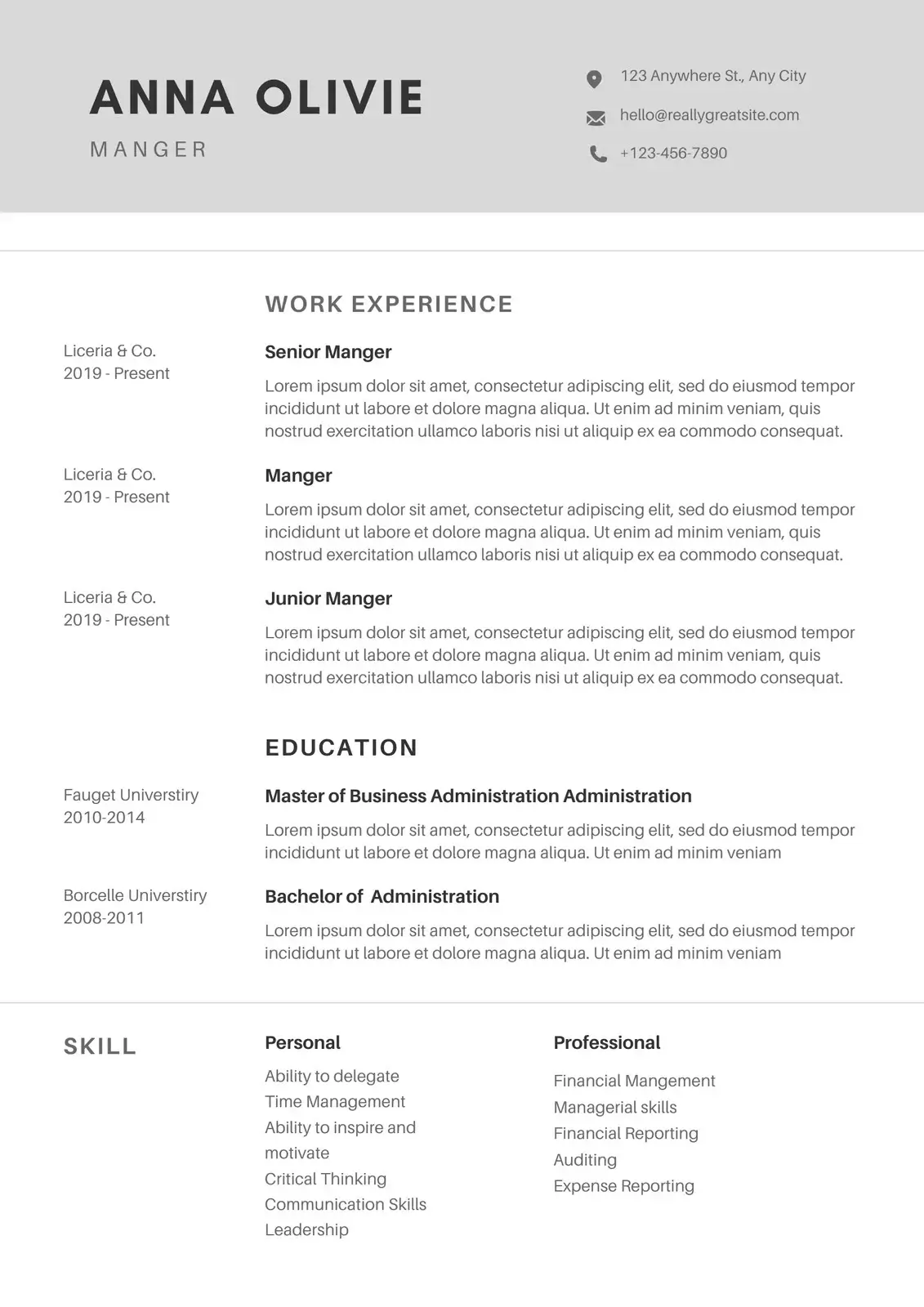
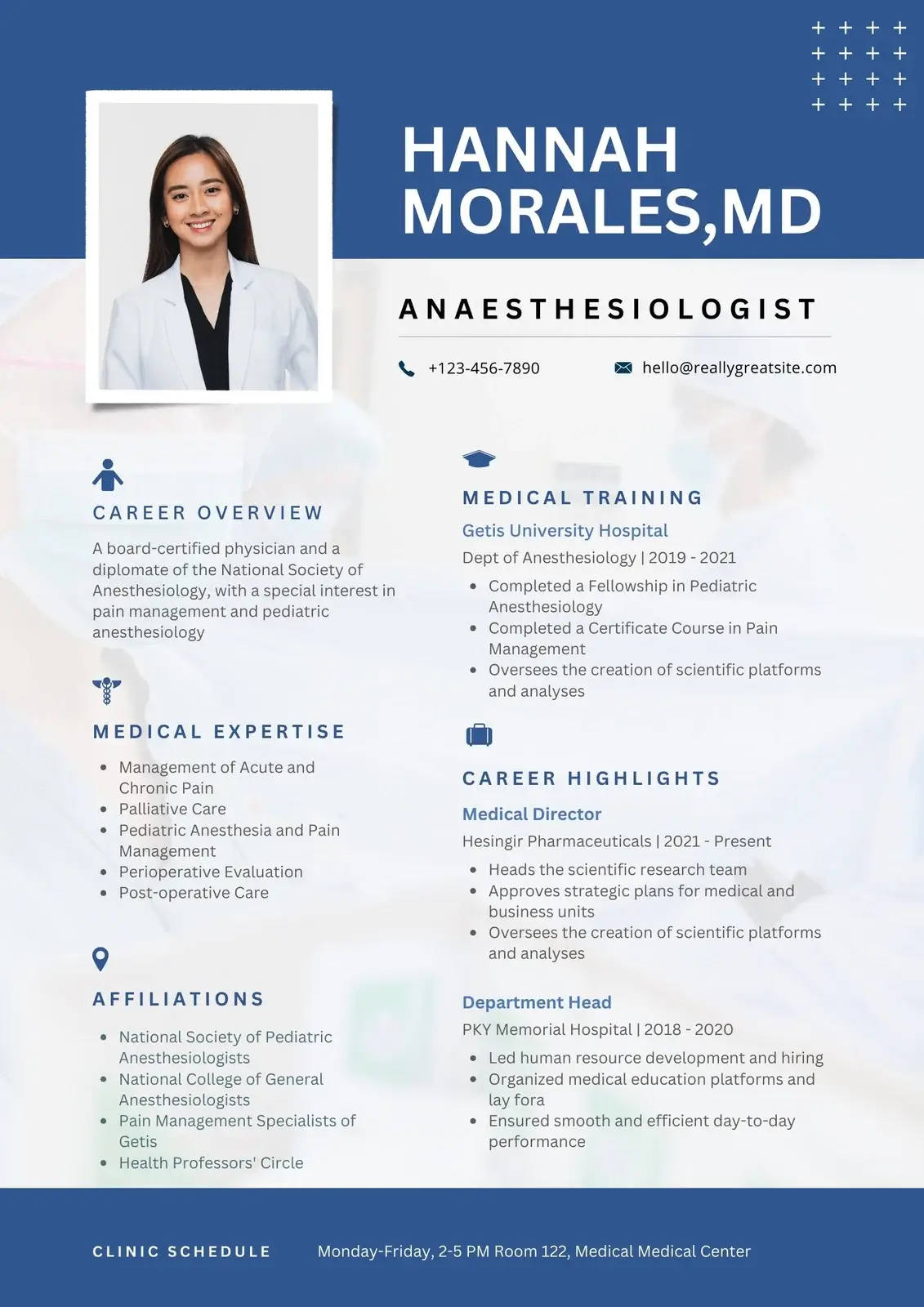
Applying for a fully remote, global role is significantly more competitive than applying for a local position. When a company posts a remote job, they aren't just looking at the talent pool in a 30-mile radius—they are looking at the entire world.
To stand out in a global applicant pool, your resume cannot just list your technical skills. It must explicitly prove that you are a highly effective, self-directed remote worker who understands asynchronous communication and distributed team dynamics.
1. Highlight Asynchronous Leadership
Remote work fails when teams try to replicate the office environment with endless Zoom meetings. The best remote companies run on asynchronous communication.
If you have experience working asynchronously, it needs to be front and center on your resume.
*Instead of:* "Managed a team of 5 developers to deliver projects on time." *Write:* "Directed a globally distributed engineering pod across 3 time zones, establishing asynchronous code review protocols that reduced deployment bottlenecks by 40%."
Keywords like *asynchronous workflows*, *distributed teams*, *cross-timezone collaboration*, and *documentation-first* are highly indexed by remote-first companies.
2. Explicitly Mention Your Location and Time Zone
Remote does not always mean "work from anywhere." Many companies have core collaboration hours or tax compliance requirements tied to specific regions.
Make it easy for the recruiter to say yes. Right at the top of your resume, next to your contact information, clearly state your location and time zone. For example: "Remote (EST/UTC-5) - Eligible to work globally."
3. Emphasize "Documentation as a Deliverable"
In a remote setting, if something isn't written down, it doesn't exist. Hiring managers are desperate for candidates who naturally document their work, create playbooks, and leave a trail of clear written communication.
Add bullet points that highlight your documentation skills: - "Authored comprehensive internal wikis for onboarding new hires, reducing average ramp-up time by 2 weeks." - "Transitioned legacy project tracking into Notion, creating a single source of truth for 4 cross-functional departments."
4. Prove Your Self-Direction
In a physical office, managers can physically see you working. In a remote setup, trust is built entirely on output. Your resume must signal that you do not need micromanagement to stay productive.
Use strong action verbs that imply ownership and initiative: *Spearheaded, Architected, Initiated, Drove, Founded.*
Whenever possible, tie these verbs to measurable, self-directed outcomes. Let the hiring manager know that if they hire you, they won't have to check in on you every morning—you will simply deliver the results they need.
Optimizing your resume for remote roles is about shifting the focus from *where* you work to *how* you work. Prove that you are a master of the remote medium, and you will instantly rise to the top of the global pile.
Ready to improve your score?


