Decoding Job Descriptions: How to See What They Really Want
A short 2-sentence summary.

Apply this guide immediately with RESUGROW tools
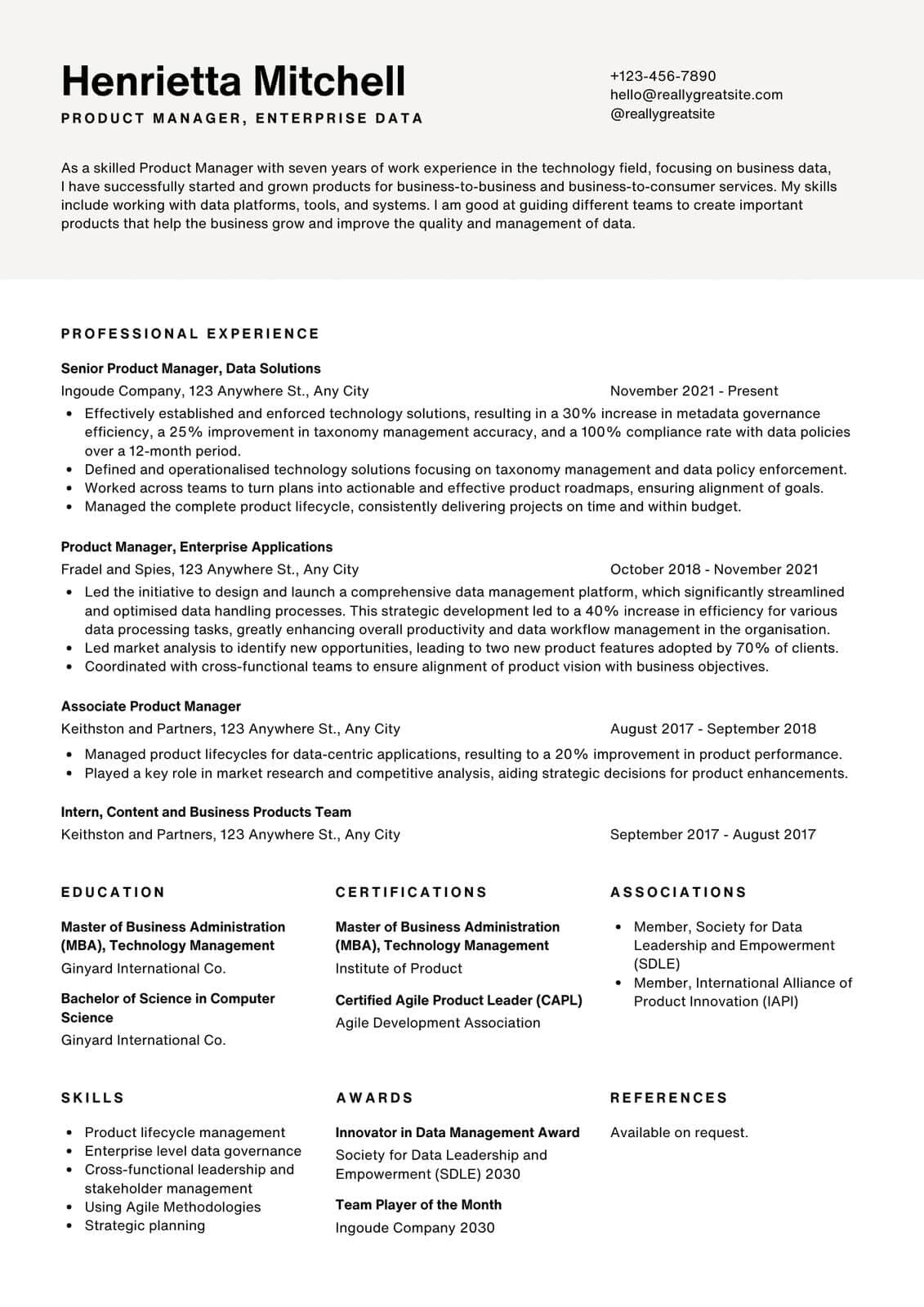
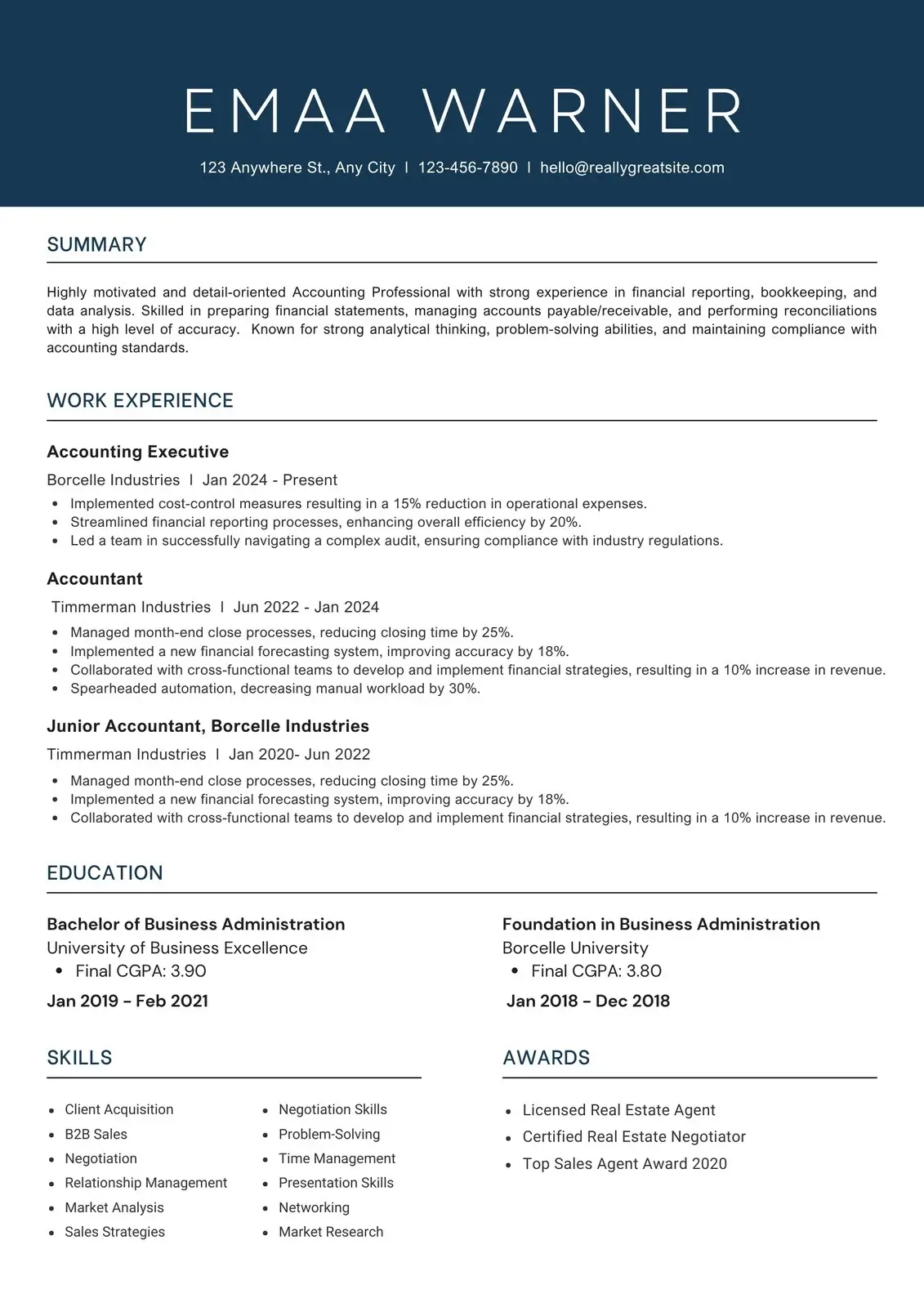
Have you ever stared at a job description and wondered if the company is looking for a human being or a mythical creature? You are not alone.
Finding the perfect job listing often feels like striking gold. The title aligns with your career trajectory, the company seems genuinely interesting, and you are ready to hit that "Apply" button. But then, you scroll down to the requirements section. Suddenly, the role demands ten years of experience with a software that was invented five years ago, a master's degree for an entry-level position, and the ability to "wear many hats" while thriving in a "fast-paced environment."
It is enough to make even the most confident candidate second-guess their qualifications.
The truth is, job descriptions are rarely written by a single person who knows exactly what the day-to-day role entails. They are often Frankenstein documents—cobbled together by hiring managers, human resources departments, and legal teams. They represent a "wishlist" for the perfect candidate, rather than a realistic depiction of who they will actually hire.
To succeed in your job search, you must learn the art of decoding these descriptions. You need to read between the lines, translate the corporate jargon, and uncover the core problem the company is desperately trying to solve. In this comprehensive guide, we will break down exactly how to see what employers really want, empowering you to tailor your resume and ace the interview.
The Anatomy of a Job Description
Before you can decode a job description, you need to understand its fundamental structure. While formats vary, most postings follow a predictable pattern. Knowing how to weigh each section is the first step in your analysis.
### 1. The Job Title The title is your first clue, but it can also be the most misleading. Startups are notorious for inflated titles like "Marketing Ninja" or "Data Rockstar," which usually translate to standard roles like Marketing Coordinator or Data Analyst. Conversely, large corporations might use rigid, outdated titles like "Business Analyst III." Do not let the title deter you; always look at the responsibilities to understand the true level and scope of the role.
### 2. The Company Overview This section is ostensibly about the company's mission and history, but it is really a window into their culture and values. Are they highlighting their "disruptive innovation" or their "century of stability"? Do they mention a commitment to work-life balance, or do they emphasize "hustle and grit"? Pay attention to the adjectives they use, as these will tell you what kind of personality will thrive in their environment.
### 3. The Responsibilities (The Meat) This is the most critical section. It outlines what you will actually be doing on a daily, weekly, and monthly basis. As you read through the bullet points, look for patterns. Are the tasks primarily strategic or operational? Will you be managing people, projects, or processes? Try to identify the top three priorities for the role, as these are the areas where you need to demonstrate the most competence.
### 4. The Requirements and Qualifications This is where the dreaded "wishlist" comes into play. You will see a mix of hard skills (coding languages, software proficiency) and soft skills (communication, leadership). You will also see educational and experience requirements. The secret here is to distinguish between the "must-haves" and the "nice-to-haves." (More on this later when we discuss the 70% Rule).
Translating Corporate Speak
Job descriptions are rife with clichés and corporate jargon. While these phrases might seem like meaningless filler, they actually convey important information about the work environment and expectations. Let's translate some of the most common corporate speak:
* "Fast-paced environment": This usually means the company is dealing with tight deadlines, high pressure, and potentially frequent changes in direction. It might also suggest that they are understaffed and expect employees to hustle to meet goals. If you thrive on adrenaline and rapid execution, this is for you. If you prefer methodical, deeply focused work, proceed with caution. * "Self-starter" or "Entrepreneurial spirit": The translation here is autonomy. The company likely does not have a robust onboarding program or a highly structured management system. You will be expected to figure things out on your own, identify problems, and propose solutions without waiting for instructions. It requires a high degree of proactivity. * "Wears many hats": This is classic startup terminology. It means your job description is merely a suggestion. You will be expected to pitch in on tasks outside your primary scope, whether that means helping with customer support, writing marketing copy, or organizing the office. It offers a great opportunity for rapid learning but carries a high risk of burnout. * "Must be passionate": While passion is great, in a job description, it often signals an expectation that you will go above and beyond the standard 40-hour workweek. They are looking for someone who is so invested in the mission that they do not mind answering emails on weekends. * "Strong attention to detail": This is not just a throwaway line. If this is emphasized heavily, it means the work involves complex processes, sensitive data, or high-stakes deliverables where a small mistake could have massive consequences. They need someone meticulous.
Identifying the Core Problem
Every open role exists because the company has a problem it needs to solve. Sometimes the problem is simple: "Sarah left, and we need someone to do her job." But more often, the problem is strategic. Your goal is to read the job description and answer the question: *What is keeping the hiring manager awake at night?*
To find this out, look for recurring themes and emphasis in the responsibilities section.
* The "Chaos Coordinator" Problem: If the description heavily features words like "streamline," "optimize," "build processes," or "organize," the company is likely experiencing growing pains. They are dealing with chaos, inefficiency, or technical debt, and they need someone to come in and establish order. Your resume should highlight times you have created systems from scratch or improved existing workflows. * The "Growth Engine" Problem: If the focus is on "scaling," "lead generation," "market expansion," or "driving revenue," the company is in an aggressive growth phase. They need someone who can move the needle on key metrics quickly. Your application should be heavily quantitative, showcasing the specific percentage growth or revenue increases you have achieved in the past. * The "Stakeholder Management" Problem: If you see repeated mentions of "cross-functional collaboration," "influencing without authority," or "executive presentations," the role likely involves navigating a complex matrix organization. The core problem is alignment. They need someone who can herd cats, build consensus, and communicate effectively across different departments. Highlight your emotional intelligence and project management skills.
Once you identify this core problem, you can tailor your entire application—your resume, your cover letter, and your interview answers—to position yourself as the ultimate solution to that specific pain point.
The 70% Rule: Why You Shouldn't Meet Every Requirement
One of the biggest mistakes candidates make is treating the requirements section like a checklist where a single missing item disqualifies them. This mindset disproportionately affects women and underrepresented groups, who are statistically less likely to apply for a job unless they meet 100% of the criteria.
Remember, the job description is a wishlist. If a candidate actually existed who met 100% of the requirements—including the specific years of experience, the niche software knowledge, and the exact educational background—they would likely be overqualified. If you can already do everything the job requires perfectly, you will quickly become bored because there is no room for growth or learning.
Instead, embrace the 70% Rule. If you meet 70% to 80% of the core requirements, you should apply.
The remaining 20% to 30% represents your growth trajectory. When you write your resume or interview for the role, focus on your foundational skills and your track record of rapid learning. If you don't know a specific software tool, highlight a time you successfully learned a similar tool in record time. Employers are often more interested in your ability to adapt and learn than in your existing knowledge base. They hire for trajectory, not just current state.
Spotting the Red Flags
Just as job descriptions tell you what the employer wants, they can also warn you about what you should avoid. Be on the lookout for these common red flags:
* Vague Responsibilities: If the job description is full of buzzwords but lacks concrete examples of what you will actually do all day, it means the hiring manager does not know what they want. This often leads to shifting expectations and impossible standards once you are hired. * "We are like a family": While it sounds warm and fuzzy, in corporate speak, "family" often translates to a lack of professional boundaries. It can imply that you are expected to prioritize the company over your actual family, work unpaid overtime, and accept toxic behavior because "that's just how Uncle Bob is." Look for companies that describe themselves as a "team," not a family. * Unrealistic Expectations: If they are asking for an entry-level candidate with five years of experience, or demanding expertise in ten vastly different disciplines for a single salary, the company is out of touch with the market. This often points to a culture of overworking employees and undervaluing their contributions. * Constant Reposting: If you see the same job description posted continuously over several months, it indicates either an impossibly picky hiring manager or a role with extremely high turnover. Both are warning signs.
Conclusion
Decoding job descriptions is a crucial skill in the modern job search. By understanding the anatomy of the listing, translating the corporate jargon, identifying the core problem, and applying the 70% rule, you can transform a confusing wishlist into a strategic roadmap for your application.
The next time you find a job posting that piques your interest, do not just skim the requirements and give up. Take the time to analyze the text. Read between the lines. Figure out what they are really asking for. When you stop reacting to job descriptions and start analyzing them, you shift the power dynamic in your favor. You are no longer just another candidate throwing your resume into the void; you are a strategic problem-solver offering the exact solution the company has been searching for.
Ready to improve your score?


