Cracking LinkedIn SEO: How the Algorithm Ranks Profiles in 2026
Recruiters use LinkedIn Recruiter search filters to find passive candidates. Here are the core SEO factors that determine whether your profile lands on page 1.

Apply this guide immediately with RESUGROW tools
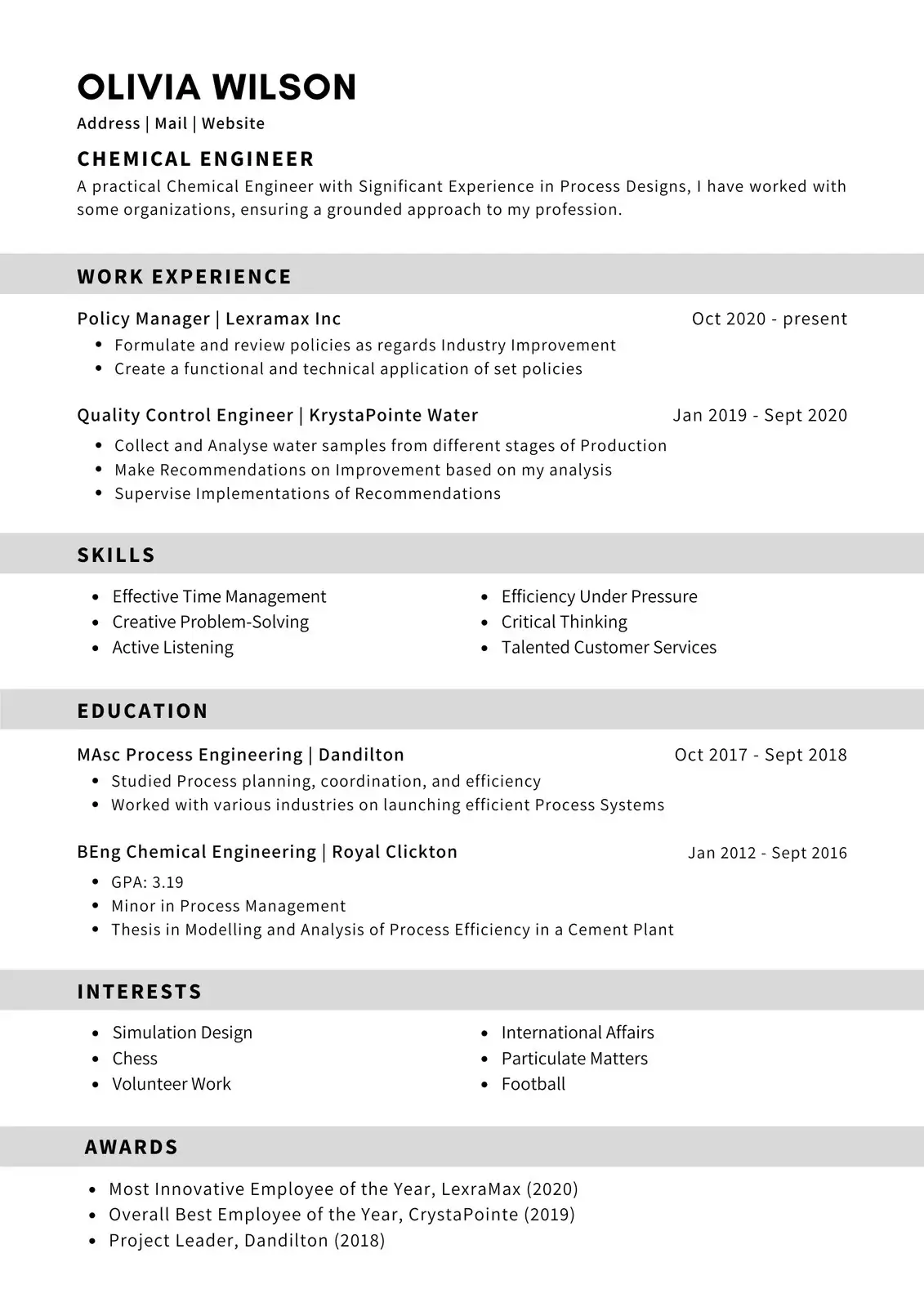
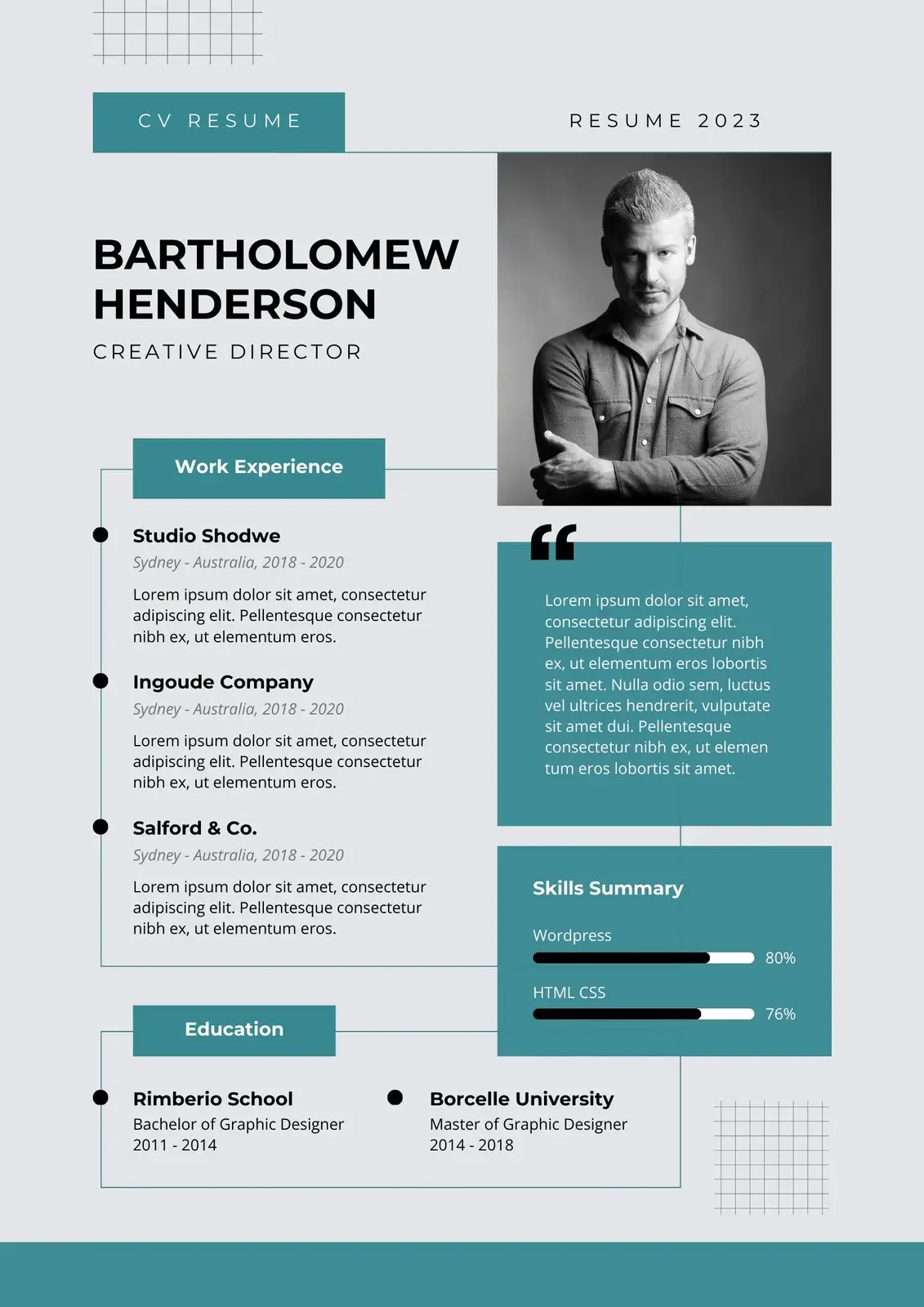
There are over 1.2 billion users on LinkedIn in 2026. For recruiters, searching through this database is the primary way they source candidates for high-paying, unlisted roles. When a recruiter types a query into "LinkedIn Recruiter" (such as "Senior Frontend Engineer, Berlin, Next.js"), only a handful of profiles appear on the first page.
If your profile is on page 5, you are virtually invisible. To get sourced, you must optimize your profile according to the mathematical weights of the LinkedIn search engine optimization (SEO) algorithm.
Factor 1: The Match Order of Keywords The algorithm scans and indexes different sections of your profile with varying priority. The weights are generally ordered as follows: - **Headline (Highest Weight):** Keywords in your headline must include exact job titles and core technology stacks. - **About / Summary (Medium-High Weight):** High keyword density in a natural paragraph layout. - **Current Role Title (High Weight):** Having the exact target job title as your current title is a massive ranking signal. - **Skills Section (Medium Weight):** The algorithm maps these directly to recruiter search filters.
Factor 2: Profile Completeness (All-Star Status) LinkedIn penalizes incomplete profiles in search rankings. To get the maximum SEO ranking boost, you must achieve "All-Star" status by filling out: - A professional headshot and banner image. - A custom profile URL. - Detailed experience sections for at least your last three roles. - At least 5 verified skills. - An education entry. - A filled-out location (city and country).
Factor 3: Connection Proximity and Network Density The search algorithm prioritizes candidates within the recruiter's network. When a recruiter searches, the system ranks 1st-degree connections first, 2nd-degree connections second, and 3rd-degree connections last.
To expand your SEO footprint, actively connect with peers, recruiters, and leaders in your target industry. Having 500+ relevant connections dramatically increases the mathematical probability that you are in the 2nd-degree network of a recruiter searching in your sector.
Factor 4: Activity and Engagement Score The algorithm rewards active users. Profiles that publish posts, comment on industry topics, or interact with content once a week receive a system-wide visibility multiplier. It signals to the system that you are an active, real user who is likely to respond to a recruiter's InMail.
By aligning your profile with these algorithm mechanics, you turn LinkedIn into a passive client-acquisition funnel. Instead of chasing recruiters, you let the engine bring the opportunities directly to you.
Ready to improve your score?


