How ATS Systems Actually Work in 2026 (And Why Most Resumes Fail)
Applicant Tracking Systems have evolved far beyond simple keyword matching. Here's what they actually do to your resume — and how to beat them.

Apply this guide immediately with RESUGROW tools
If you've ever sent out dozens of applications and heard nothing back, there's a good chance an ATS filtered you out before a human ever saw your name.
Applicant Tracking Systems are software platforms used by over 98% of Fortune 500 companies to manage the flood of applications they receive. But in 2025, they're no longer just keyword scanners — they're sophisticated ranking engines.
What ATS Actually Does to Your Resume
When you upload a PDF or Word doc, the ATS does several things in sequence:
1. Text Extraction The system strips your resume down to raw text. If you've used tables, columns, headers/footers, or text boxes, this step often fails — and your data gets scrambled or lost entirely.
2. Section Detection The parser tries to identify sections like Work Experience, Education, and Skills. It looks for standard heading labels. If you've named your experience section "Where I've Been" instead of "Work Experience," the system may not recognize it.
3. Entity Recognition Modern ATS platforms use NLP to extract entities: job titles, company names, dates, skills, and education credentials. They then map these against the job requirements.
4. Scoring and Ranking Every candidate gets a match score. This score is based on keyword overlap with the job description, years of experience, required skills, and education level. Candidates below a threshold score are automatically archived — never seen by a recruiter.
The Three Biggest Reasons Resumes Fail ATS
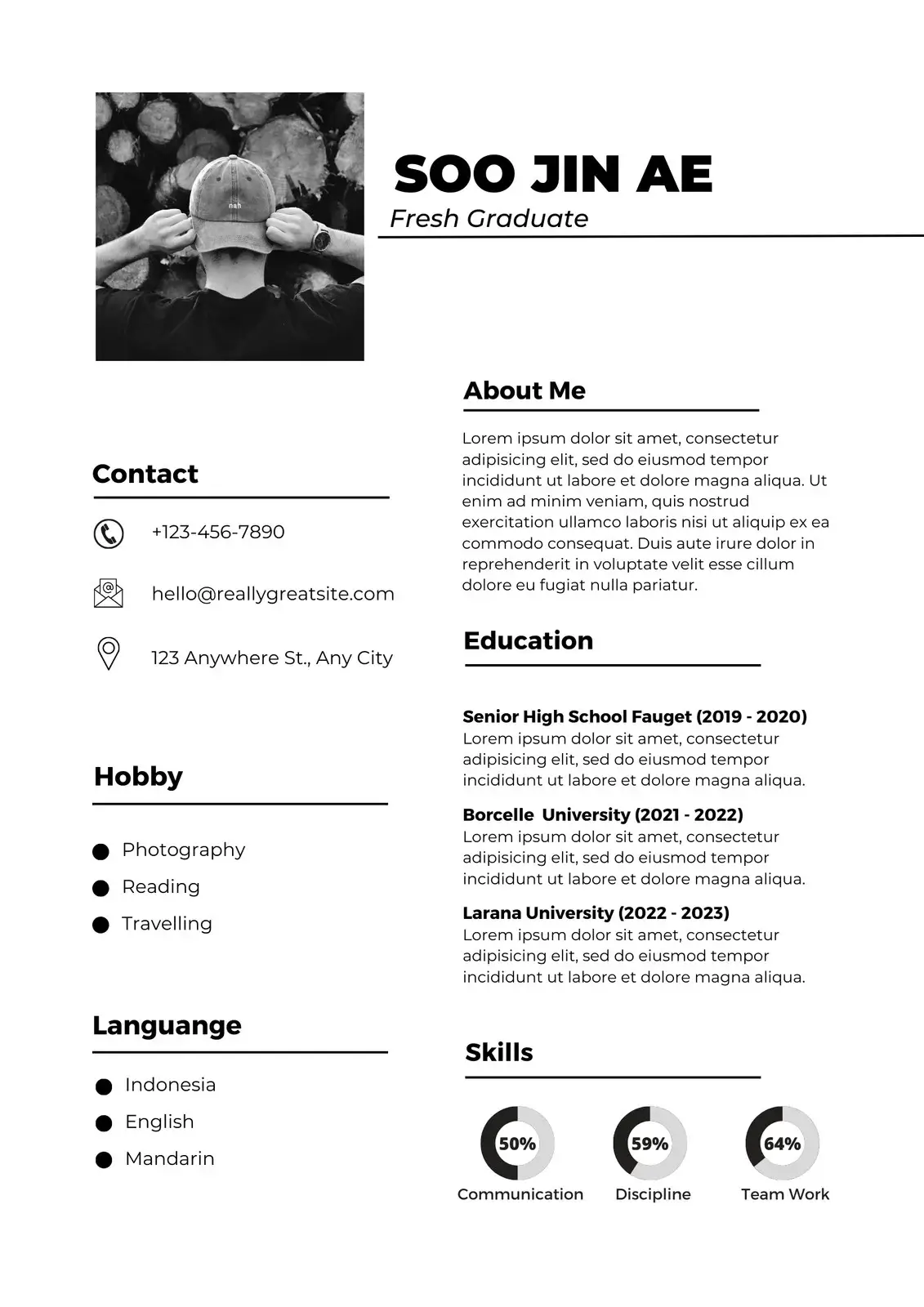
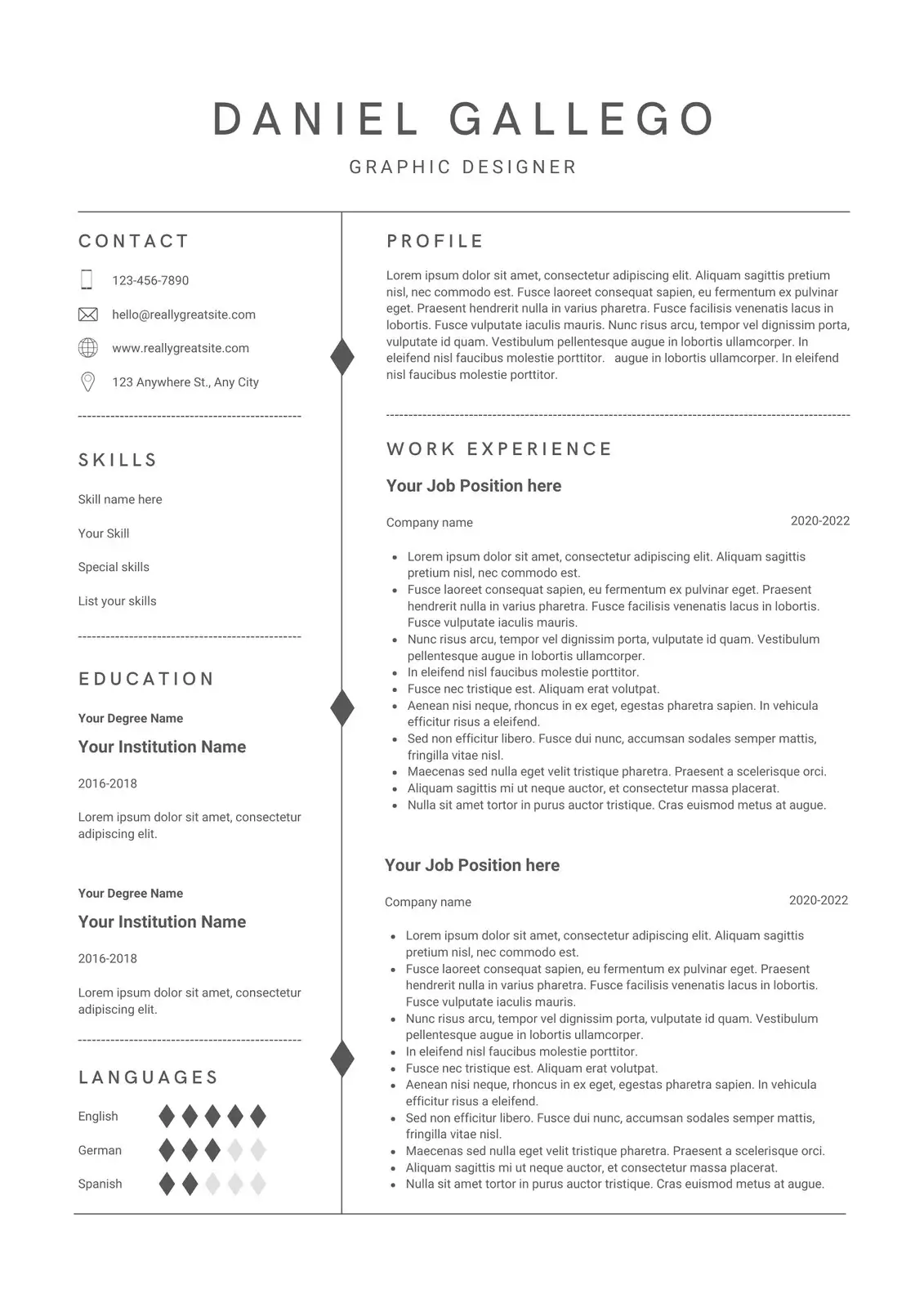
Complex formatting. Multi-column layouts, graphics, and tables look great to humans but destroy machine readability. Stick to a single-column, clean layout.
Missing keywords. ATS systems match your resume against the exact language in the job description. If the JD says "cross-functional collaboration" and your resume says "worked with different teams," you may not match — even though you mean the same thing.
Weak section headers. Use standard labels: Work Experience, Education, Skills, Summary. Anything creative gets misclassified.
What's Changed in 2025
The biggest shift is the move toward semantic matching. Older ATS systems needed exact keyword matches. Newer platforms (Workday, Greenhouse, Lever) use embedding models that understand synonyms and related concepts.
This means stuffing your resume with keywords is less effective than it used to be. What matters now is writing clearly about real impact — using strong action verbs, quantified results, and industry-standard terminology.
The Practical Fix
Run your resume through an ATS checker before every application. Look at your keyword match score against the specific job description. Rewrite 2–3 bullets to incorporate missing terms naturally. That's it. No tricks, no keyword stuffing — just alignment between what you did and what they're looking for.
The candidates who consistently land interviews aren't the most qualified. They're the ones whose resumes communicate their qualifications most clearly to both machines and humans.
Ready to improve your score?


