How to Write a Cover Letter That Actually Gets Read in 2025
Most cover letters are ignored. The ones that get read share three specific traits. Here's the formula — with a template you can use today.

Apply this guide immediately with RESUGROW tools
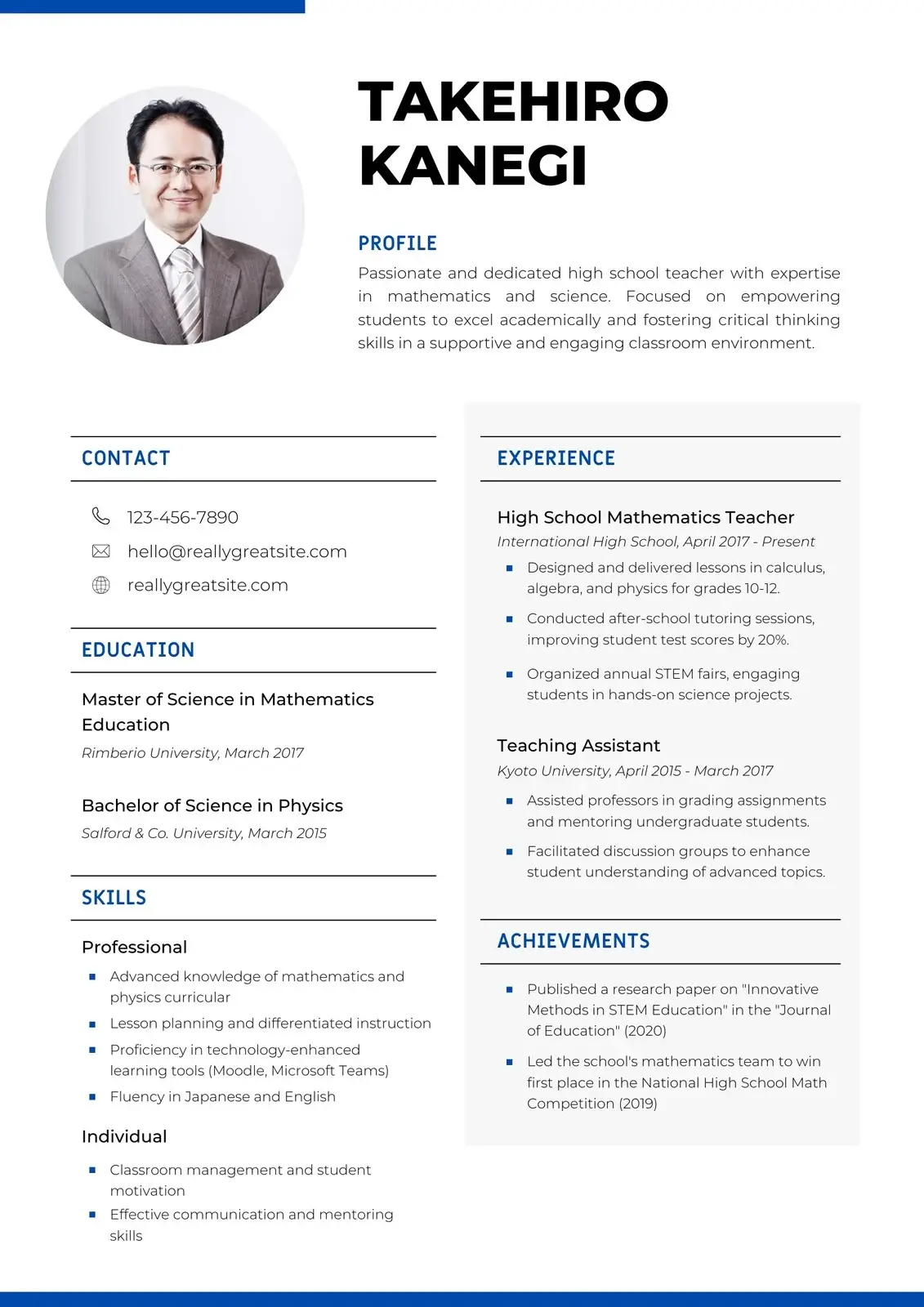
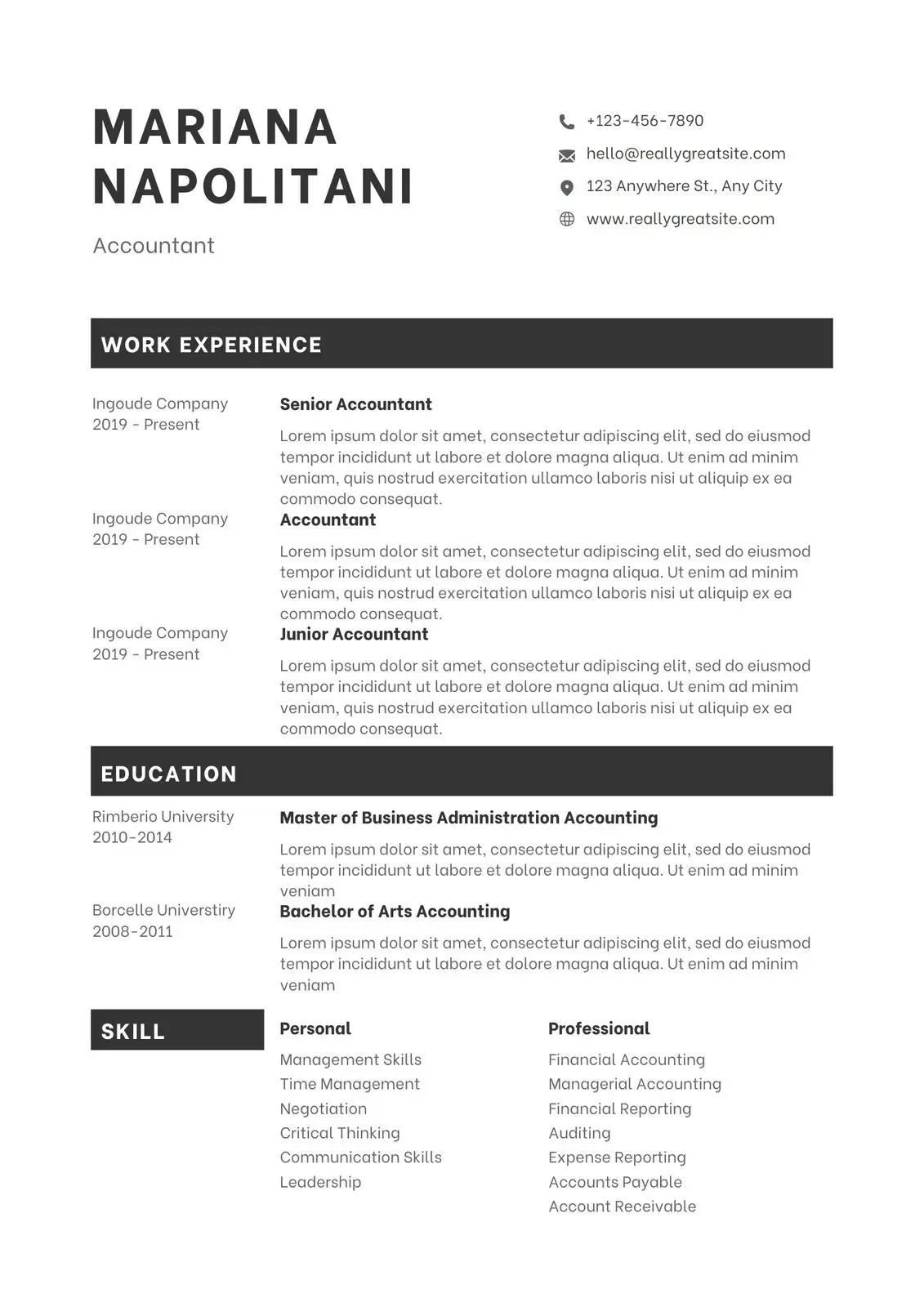
Recruiters read cover letters when they're on the fence about a candidate. That means your cover letter's job isn't to get you the interview — it's to tip the balance when your resume alone isn't enough.
Most cover letters fail because they summarize the resume ("As you can see from my attached resume...") or make it about the applicant's needs ("I am looking for a role where I can grow..."). Neither of these is useful to a hiring manager.
The Three Things That Make a Cover Letter Work
1. It opens with something specific. Not "I am writing to apply for the Product Manager role." That's obvious. Open with something that shows you've done your homework:
"I've been following Notion's approach to building for power users since the 2021 redesign — the decision to make blocks the core primitive was a bet that paid off in ways most product teams wouldn't have had the conviction to make."
That opening tells the reader you're not mass-applying. It creates immediate credibility.
2. It connects your experience to their specific problem. Every company posts a job because they have a problem to solve. Your cover letter should name that problem and show you've solved it before:
"You're scaling from 50 to 200 enterprise customers, which means the onboarding process that worked at 50 will break at 200. I've rebuilt onboarding twice at that inflection point — at Intercom and at Segment — and I know exactly where the cracks appear."
3. It's short. Three paragraphs. Never more than one page. Ideally under 300 words. Hiring managers are busy. Respect their time.
The Template
Paragraph 1 — The Hook (2–3 sentences) Something specific about the company, product, or role that shows genuine interest. Not flattery — insight.
Paragraph 2 — The Connection (3–4 sentences) Your most relevant experience, framed around their specific challenge. One quantified result.
Paragraph 3 — The Close (2 sentences) Express enthusiasm. Make it easy to say yes.
What to Skip
- "I am a team player and fast learner" — everyone says this - Restating your resume — they have it - Explaining why you want to leave your current job — irrelevant - Anything longer than 300 words
The Tailoring Minimum
At minimum, change the company name, the specific role detail in paragraph 1, and the most relevant experience in paragraph 2. This takes 10 minutes and meaningfully increases your response rate.
A cover letter that's 80% generic but 20% specific will outperform a cover letter that's 100% generic every time.
Ready to improve your score?


