The Power of a Personal Brand: Going Beyond the Resume
Your resume tells them what you did. Your personal brand tells them who you are. Heres how to build a passive inbound pipeline for job opportunities.

Apply this guide immediately with RESUGROW tools
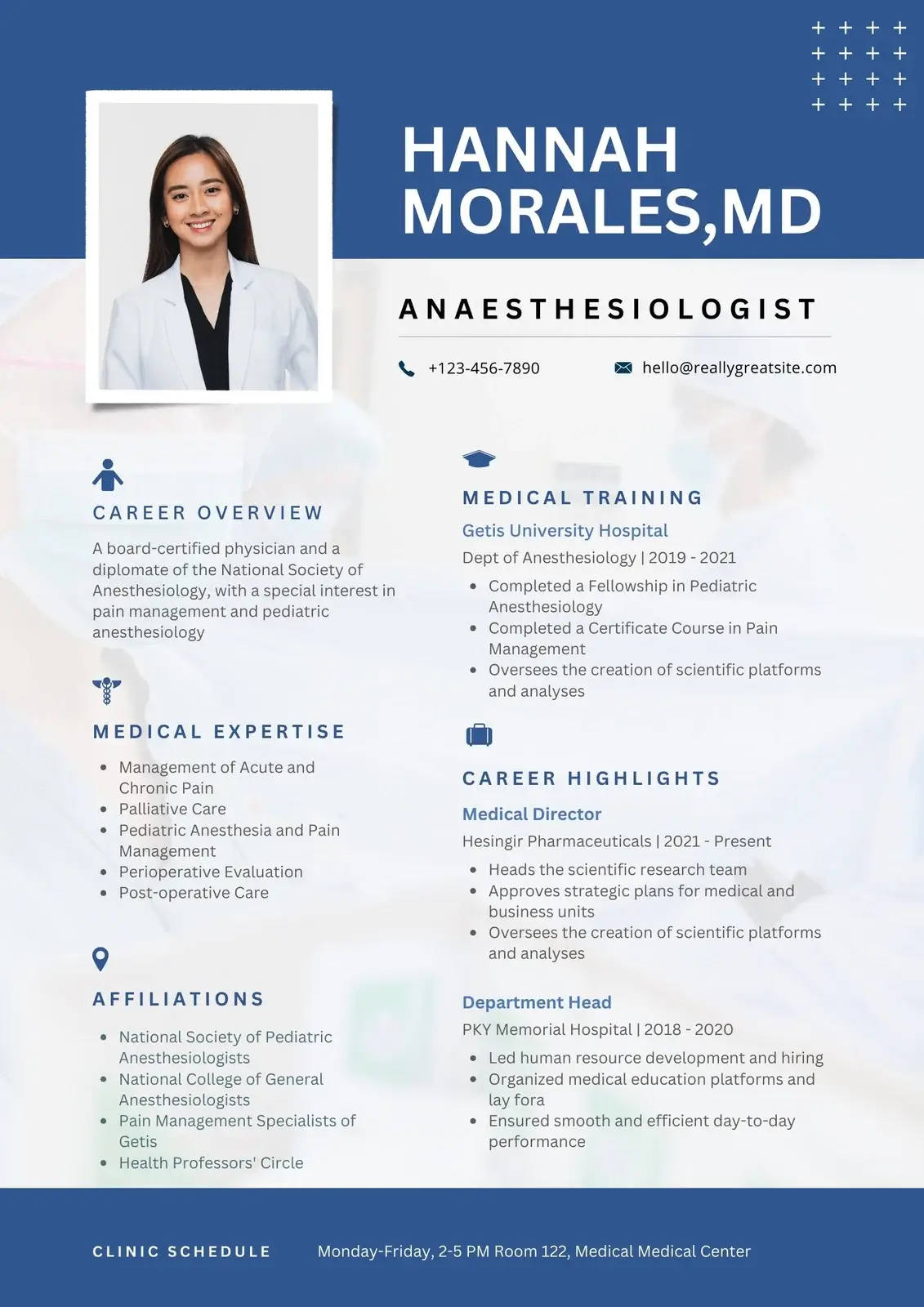
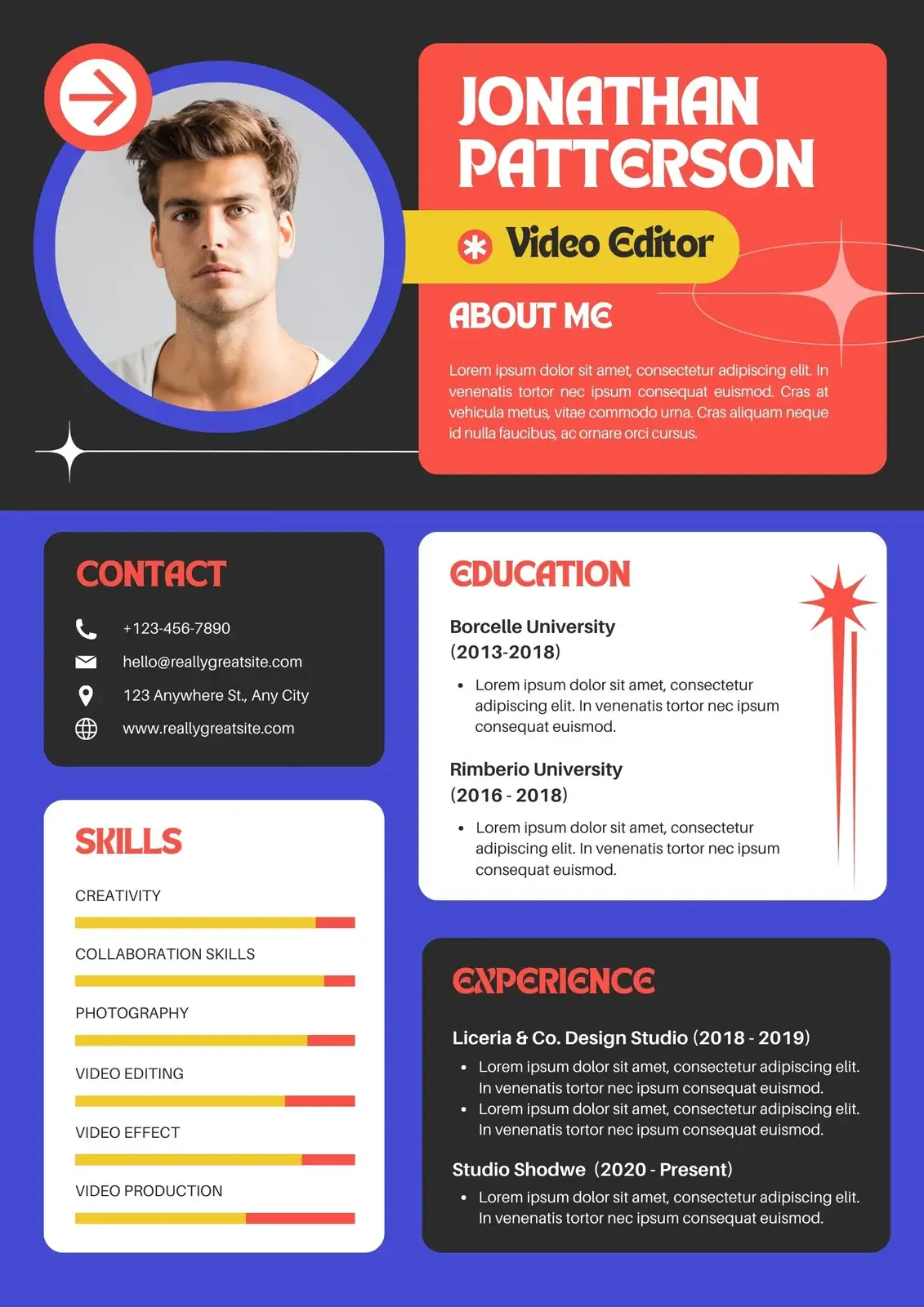
A resume is a historical document. It tells people what you did in the past, constrained by bullet points and a rigid structure. While a great resume is essential for passing through the application gatekeepers, it is purely a defensive tool.
A personal brand, on the other hand, is an offensive strategy. It tells the market who you are, how you think, and what value you are creating *right now*. In 2026, professionals who cultivate a strong personal brand on platforms like LinkedIn or technical blogs do not apply for jobs—jobs apply for them.
1. Why "Personal Branding" Isn't Just for Influencers
Many professionals cringe at the phrase "personal brand," assuming it means posting selfies with motivational quotes. That is a fundamental misunderstanding.
For a software engineer, a personal brand is actively maintaining an open-source library and writing about system architecture constraints. For a product manager, it is breaking down the UX teardown of a popular app. For a salesperson, it is sharing actionable outbound email templates that consistently book meetings.
Your personal brand is simply the public evidence of your professional competence.
2. Moving from Consumer to Creator
The majority of professionals on LinkedIn are passive consumers. They scroll, they hit "like," and they occasionally comment "Congratulations!" on a promotion post.
To build a brand, you must shift 10% of your time from consuming to creating. Start small: - The "Learn in Public" Strategy: Every Friday, post one paragraph about a specific problem you solved that week or a new tool you learned how to use. - The Curation Strategy: If you read a fascinating industry report, don't just share the link. Write three bullet points summarizing the most counter-intuitive takeaways. - The Hot Take Strategy: Respectfully disagree with a common industry practice, back it up with your own data or experience, and ask your network for their perspective.
3. Creating an Inbound Opportunity Pipeline
When you consistently share valuable insights, a fascinating psychological shift occurs. Recruiters, hiring managers, and industry peers begin to perceive you as an authority, even if you do not have a prestigious title.
When a hiring manager needs to fill a critical role, their first thought isn't always "Let's post this on a job board." Their first thought is often, "Who do I know in my network who is smart and capable?"
If you have been showing up in their feed every week with thoughtful, high-quality content, you will be the first person they message. You bypass the ATS entirely.
4. Authenticity Scales
Do not try to sound like a corporate robot. The most successful professional brands are highly authentic. They share failures, lessons learned, and works-in-progress.
If you spend 30 minutes a week building public proof of your expertise, you will slowly construct a career moat that protects you from layoffs, algorithmic resume filters, and crowded job markets. Your brand becomes your ultimate career security.
Ready to improve your score?


